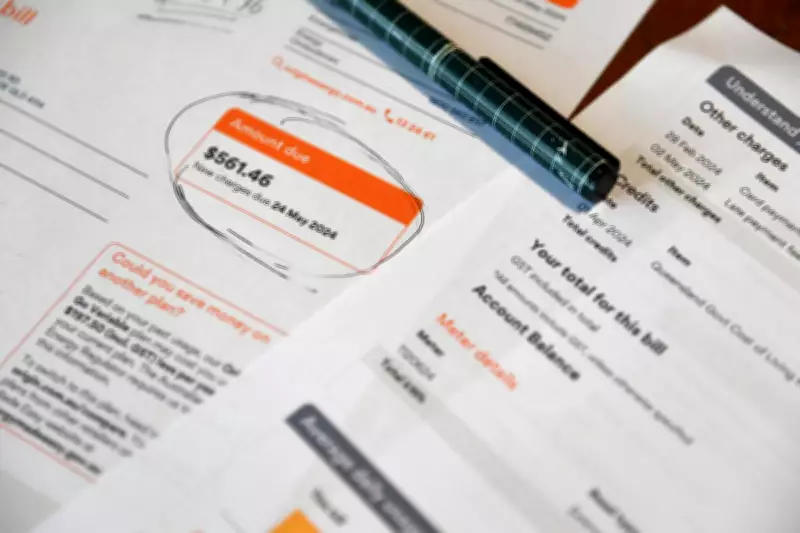
Electricity bills will become cheaper for millions of Australians from July, offering some relief amid ongoing cost-of-living pressures. The Australian Energy Regulator (AER) on Tuesday released its final Default Market Offer (DMO) prices for the next financial year, lowering benchmark electricity prices for households and small businesses in NSW, southeast Queensland, and South Australia.
The DMO sets out the maximum amount retailers can charge customers on standing offer plans, while also serving as a reference price to help consumers compare deals. Under the changes, some households are expected to save more than $200 a year in their power bills.
Regional savings breakdown
For smart meter households on time-of-use standing offers in southeast Queensland, savings could reach up to 10.7 per cent, or $229 a year. In NSW, prices are set to fall by between 3.7 per cent ($72) and 7.7 per cent ($211), while South Australian households will see a smaller reduction of 1.1 per cent ($25).

Residential flat-rate standing offer prices will also fall by between 3.4 and 5 per cent ($66 to $137) in NSW, while households in southeast Queensland will see prices drop by 7.2 per cent ($155) compared to last year. South Australian households on flat-rate standing offers, however, will face a modest increase of 1.4 per cent, or about $33 a year.
Small business benefits
Small businesses across the three regions are also set to benefit, with prices falling by between 9 and 20.9 per cent ($432 to $1303) in NSW, 10.4 to 14 per cent ($445 to $601) in southeast Queensland and 6.8 to 12.1 per cent ($379 to $673) in South Australia.
Households on the Victorian Default Offer will also pay less, after the Essential Services Commission on Monday unveiled a new cap that will cut annual bills by an average of $84 from July 1. Small businesses on the Victorian default offer are expected to save an average of $241 in 2026-2027 under the new settings.
Government and expert reactions
Energy Minister Chris Bowen said an uptick in renewables had paid off for households and businesses. "Renewable energy is the cheapest form of energy, it's the fastest to deploy. It's more reliable. Coal breaks down every day, and when coal breaks down, bills go up," he told reporters in Canberra on Tuesday. "There's more work to do to keep this transition well under way. There are plenty of challenges internationally and domestically, but the plan that we put in place is showing dividends for the Australian people."
Bowen said the energy grid being made up of 50 per cent renewable energy, along with more than 400,000 home batteries being installed since July, had played a significant role in the falling power prices. "I expect the continued influence of renewable energy," he said. "The key difference is we're now storing that renewable energy for the nighttime, reducing reliance on coal and gas, enabling some of the closures of coal-fired power stations that are already in the system."
Comparison service iSelect comparison expert Sophie Ryan said while Tuesday's decision was good news for most households, many customers may still be paying more than necessary. "I would urge electricity customers to use today's news to shop around for a better energy deal," she said.