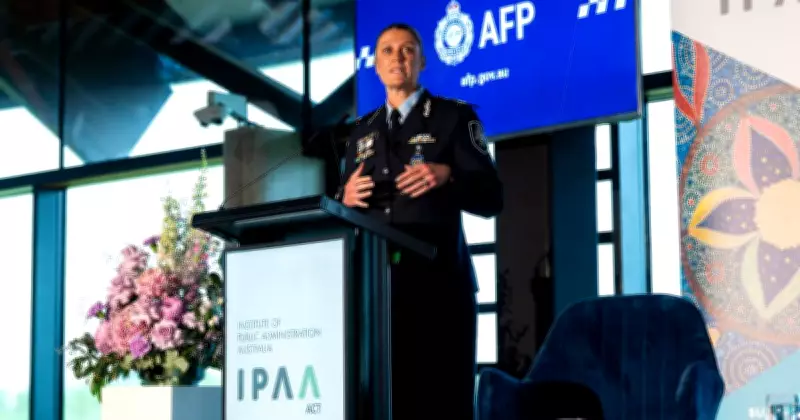
First Female AFP Boss Krissy Barrett Confronted Post-Broderick Sexism
Krissy Barrett, who made history as the first woman to lead the Australian Federal Police (AFP), faced significant sexism in the aftermath of the Broderick review, according to recent reports. This revelation underscores the deep-seated gender issues that continue to plague Australia's law enforcement agencies, despite efforts to promote equality and diversity.
Historic Appointment and Immediate Challenges
Barrett's appointment as AFP commissioner was a landmark moment, breaking a long-standing gender barrier in one of the nation's most prominent policing bodies. However, her tenure was marred by persistent sexist attitudes and behaviors from within the organization, which emerged following the Broderick review. This review, conducted by former Sex Discrimination Commissioner Elizabeth Broderick, aimed to address cultural problems and improve gender equity within the AFP.
The Broderick review, released in recent years, highlighted systemic issues such as bullying, harassment, and a lack of support for women in the force. Despite its recommendations, Barrett encountered resistance and discrimination, suggesting that implementing change has been an uphill battle. Sources indicate that she faced subtle and overt sexism, including dismissive comments and challenges to her authority, which were often linked to her gender.

Ongoing Gender Struggles in Law Enforcement
This situation reflects broader challenges in Australian policing, where women remain underrepresented in leadership roles. The AFP, like many similar organizations, has struggled to create an inclusive environment free from bias. Barrett's experience serves as a stark reminder that appointing women to top positions does not automatically eradicate entrenched sexist cultures.
Experts argue that without sustained efforts to change attitudes and policies, progress toward gender equality in law enforcement will remain slow. The post-Broderick era was supposed to herald a new chapter of reform, but Barrett's struggles indicate that old habits die hard. Her case has sparked renewed calls for more robust measures to support women in policing and ensure that reviews like Broderick's lead to tangible improvements.
Implications for Future Leadership
Barrett's tenure, though challenging, has paved the way for future female leaders in the AFP. Her resilience in the face of adversity highlights the need for ongoing vigilance and action against sexism. As Australia continues to grapple with gender issues in various sectors, the AFP's experience serves as a critical lesson in the importance of cultural transformation.
In conclusion, Krissy Barrett's groundbreaking role as the first female AFP boss was overshadowed by post-Broderick sexism, revealing persistent barriers to gender equality in law enforcement. This story underscores the necessity for continuous efforts to foster an inclusive and respectful workplace, ensuring that all employees, regardless of gender, can thrive without discrimination.