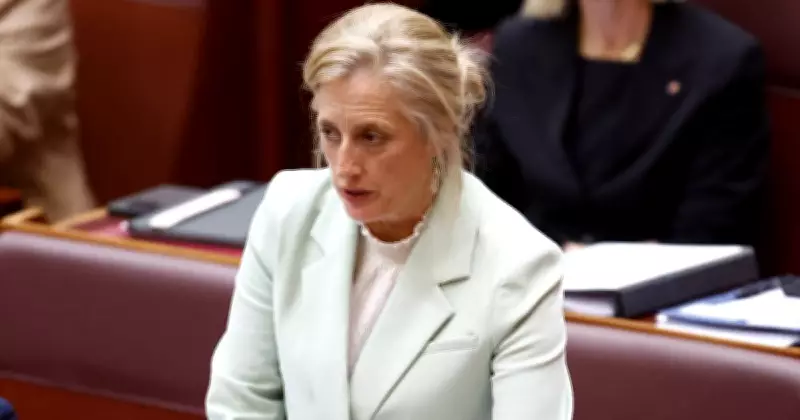
Finance Minister Katy Gallagher has moved to temper expectations surrounding public sector wage increases, cautioning that any pay rise must be fiscally responsible and sustainable. Her comments come as the Community and Public Sector Union (CPSU) prepares to enter negotiations for a new enterprise agreement covering thousands of Australian Public Service (APS) workers.
Gallagher's Statement on Pay Negotiations
Speaking to reporters in Canberra, Senator Gallagher acknowledged the vital work of public servants but stressed the need for budget discipline. “We value our public servants, but we also have to ensure that any wage increase is affordable and doesn't put undue pressure on the budget,” she said. The minister indicated that the government would approach bargaining with a focus on productivity and efficiency gains.
CPSU's Pay Claim
The CPSU has submitted a claim seeking a significant wage increase, arguing that APS workers have endured years of wage stagnation and deserve a fair share of the economic recovery. The union is pushing for a pay rise of at least 5% per year, along with improved conditions and job security measures. CPSU National Secretary Melissa Donnelly said the claim reflects the rising cost of living and the need to attract and retain skilled staff.

“Public servants have been doing heavy lifting throughout the pandemic, and they deserve a pay rise that keeps up with inflation,” Donnelly said. She warned that without a competitive offer, the government risks losing experienced employees to the private sector.
Government's Position
Gallagher’s downbeat assessment signals that the government will resist union demands for double-digit increases. The minister pointed to broader economic constraints, including inflation and the need to repair the budget. “We have to be responsible managers of the economy, and that means making tough decisions,” she stated.
The APS bargaining process is set to commence in the coming weeks, with both sides expected to engage in intensive negotiations. The outcome will set a precedent for other public sector agreements across the country.
Reactions from Stakeholders
Employment experts have weighed in, suggesting that while public servants deserve fair wages, the government must balance competing priorities. “There is a delicate balance between rewarding workers and maintaining fiscal discipline,” said Dr. Jane Smith, an industrial relations scholar at the University of Sydney. She noted that the final agreement would likely fall short of union demands.
Opposition finance spokesperson Jane Hume criticised the government for not committing to a specific wage offer, accusing it of “dragging its feet” on the issue. “Public servants need certainty, not vague statements about sustainability,” Hume said.
As the bargaining round approaches, all eyes will be on the negotiating table to see whether the government can reach a deal that satisfies both the workforce and the budget.