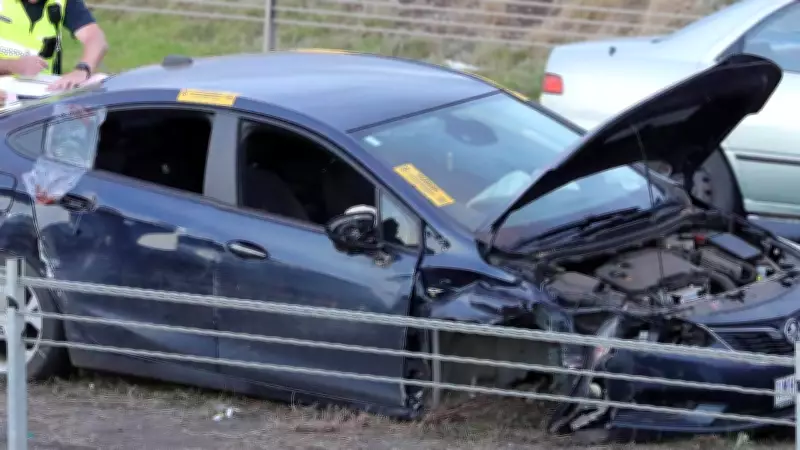
Geelong has emerged as the leading region in rural Victoria for serious crash injuries, according to newly released data that has sparked urgent calls for road safety improvements. The figures, compiled from hospital admissions and police reports, show that the Geelong area recorded the highest number of serious injuries per capita among rural regions in the state.
Alarming Statistics
The data reveals that in the past five years, Geelong has seen a significant spike in the number of people requiring hospital treatment after road crashes. This trend places the region at the top of a worrying list, ahead of other rural areas such as Ballarat, Bendigo, and the Latrobe Valley. Experts say the numbers highlight a systemic issue that demands immediate attention from authorities.
Key Factors Behind the Crisis
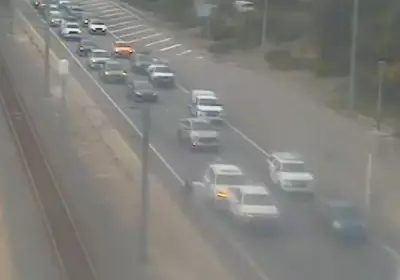
Several factors have been identified as contributing to Geelong's high injury rate. These include a combination of high traffic volumes, inadequate road infrastructure, and driver behavior. The region's rapid population growth has led to increased congestion, particularly on major arterial roads, while many secondary roads remain poorly maintained and lack safety features such as barriers and proper lighting.

Additionally, the prevalence of high-speed roads in rural areas around Geelong has been linked to more severe crashes. Speeding and distracted driving are also significant contributors, with police reporting a rise in reckless driving incidents.
Community Impact
The human cost of these crashes is immense. Families have been devastated by the loss of loved ones or the long-term consequences of serious injuries. Local hospitals have reported increased pressure on emergency services and rehabilitation units, with many victims requiring ongoing care. The economic burden is also substantial, with costs associated with medical treatment, lost productivity, and property damage running into millions of dollars.
Residents have expressed frustration over what they perceive as a lack of action from authorities. Many have called for immediate upgrades to dangerous intersections, better signage, and increased police presence to enforce traffic laws.
Calls for Action
Road safety advocates and local politicians are urging the state government to prioritize Geelong's road safety crisis. They argue that funding for infrastructure improvements should be accelerated, and a comprehensive plan should be developed to address the root causes of the problem. Suggestions include implementing traffic calming measures, building roundabouts, and installing speed cameras in high-risk areas.
The Transport Accident Commission (TAC) has also been involved, promoting awareness campaigns aimed at changing driver behavior. However, many believe that more aggressive measures are needed to prevent further tragedies.
Government Response
In response to the data, the Victorian government has acknowledged the issue and stated that it is committed to improving road safety across the state. A spokesperson said that several projects are already underway in the Geelong region, including upgrades to the Princes Highway and the Geelong Ring Road. Additional funding has been allocated for local road improvements, but critics argue that the pace of change is too slow.
The government has also announced a review of speed limits on rural roads and plans to introduce new technology to detect dangerous driving. However, advocates are calling for a more urgent and coordinated effort to reduce the number of serious injuries.
Looking Ahead
As Geelong continues to grow, the pressure on its road network is expected to increase. Without significant investment and policy changes, the region risks further escalating its status as the most dangerous for serious crash injuries in rural Victoria. The challenge now is for all stakeholders—government, authorities, and the community—to work together to turn the tide and make Geelong's roads safer for everyone.