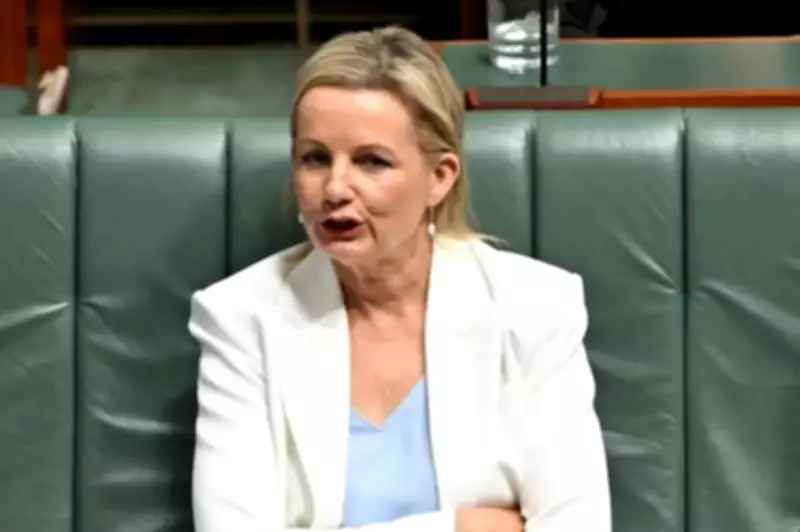
The Liberal Party of Australia has reached a historic milestone with the appointment of its first female leader, marking a significant shift in the political landscape. This groundbreaking achievement comes after years of dedicated service and strategic maneuvering within the party ranks.
A Trailblazing Political Career
Her journey to the top began in local politics, where she quickly gained a reputation for her strong advocacy and effective communication skills. Over the years, she navigated through various roles, from backbencher to shadow minister, building a solid foundation of experience and support.
Overcoming Challenges and Barriers
As a woman in a traditionally male-dominated arena, she faced numerous obstacles, including gender bias and institutional resistance. However, her resilience and commitment to her principles allowed her to break through these barriers, earning respect from colleagues across the political spectrum.

Her leadership style is characterized by a focus on policy-driven solutions and a collaborative approach. She has emphasized the importance of unity within the party while addressing key issues such as economic reform, social welfare, and national security.
The Path to Leadership
The road to becoming the Liberal Party's first female leader was not without its twists and turns. Internal party dynamics, shifting alliances, and public opinion all played crucial roles in her eventual ascent. Key moments included successful policy initiatives, strong performances in parliamentary debates, and building a broad coalition of support.
Her election as leader was met with both celebration and scrutiny, reflecting the broader societal conversations about gender and leadership in Australia. Supporters hailed it as a long-overdue step towards greater diversity, while critics questioned her readiness for the role.
Impact on Australian Politics
This historic appointment is expected to have far-reaching implications for the Liberal Party and Australian politics as a whole. It signals a potential shift in party culture and priorities, with a renewed focus on inclusivity and modern governance.
As she steps into this new role, the challenges ahead are significant, including navigating party divisions, addressing pressing national issues, and preparing for future elections. Her ability to unite the party and connect with voters will be critical to her success.
In conclusion, the rise of the Liberal Party's first female leader is a landmark event in Australian political history. It underscores the evolving nature of leadership and the ongoing struggle for gender equality in public life. Her journey serves as an inspiration for future generations of women in politics.