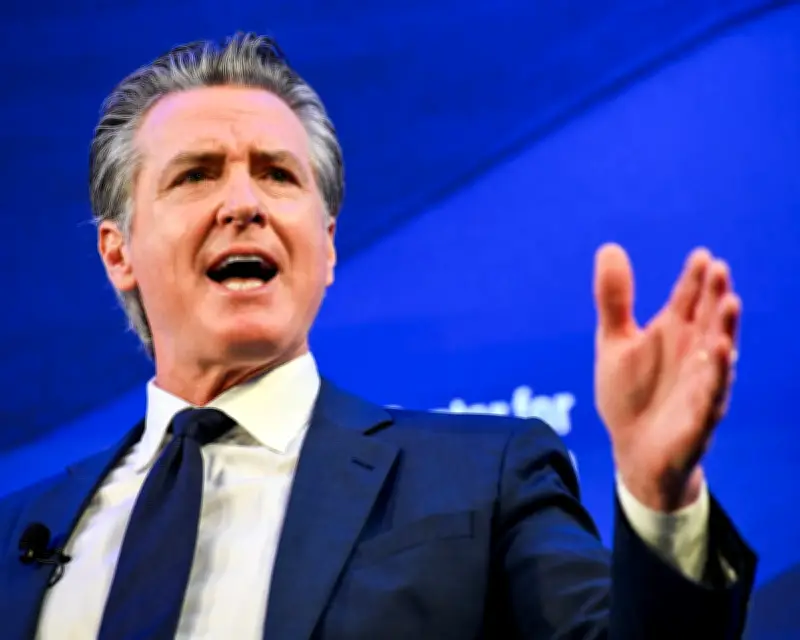
California Governor Gavin Newsom has proposed a national tax on billionaires, aiming to levy an annual charge on the unrealized capital gains of the wealthiest Americans. The plan, unveiled on Thursday, would impose a 1.5% tax on net worth exceeding $1 billion, with the revenue earmarked for climate change programs and healthcare expansion.
Details of the Proposal
The tax would apply to all U.S. billionaires, including those whose wealth is tied up in stocks or other assets that have not been sold. According to Newsom's office, the measure could generate an estimated $250 billion annually from approximately 700 billionaires. The funds would be directed toward a new Climate and Health Trust Fund, supporting renewable energy projects, wildfire prevention, and universal healthcare initiatives.
“It’s time for the billionaires to pay their fair share,” Newsom said in a statement. “While working families struggle with the cost of living, the ultra-wealthy are sitting on trillions in untaxed gains. This tax will help us tackle the climate crisis and ensure every American has access to healthcare.”

Political and Economic Reactions
The proposal has drawn sharp reactions from both sides of the aisle. Progressive Democrats, including Senators Elizabeth Warren and Bernie Sanders, have voiced support, with Warren calling it “a bold step toward economic justice.” However, Republican leaders and some moderate Democrats have criticized the plan, arguing it could stifle investment and drive wealth overseas. House Speaker Mike Johnson dismissed the idea as “a socialist fantasy that would destroy the economy.”
Economic analysts are divided. A study from the Tax Policy Center suggests that a wealth tax could face legal challenges, as the Supreme Court has previously ruled that unrealized gains are not income. However, Newsom’s team argues that the tax would be structured as an excise tax, which may pass constitutional muster.
National Impact and Feasibility
If enacted, the tax would be the first of its kind at the federal level in the U.S. California already has a similar state-level proposal, which Newsom championed but has yet to pass. The national version would require congressional approval, a steep hurdle given the current divided government. Newsom, widely seen as a potential presidential candidate, is using the proposal to position himself as a leader on economic inequality and climate action.
“This isn’t just about revenue; it’s about values,” Newsom said. “We have a moral obligation to invest in our future and ask the wealthiest to contribute their share.” The proposal is expected to be a key topic in upcoming budget debates and could influence the 2028 presidential campaign.