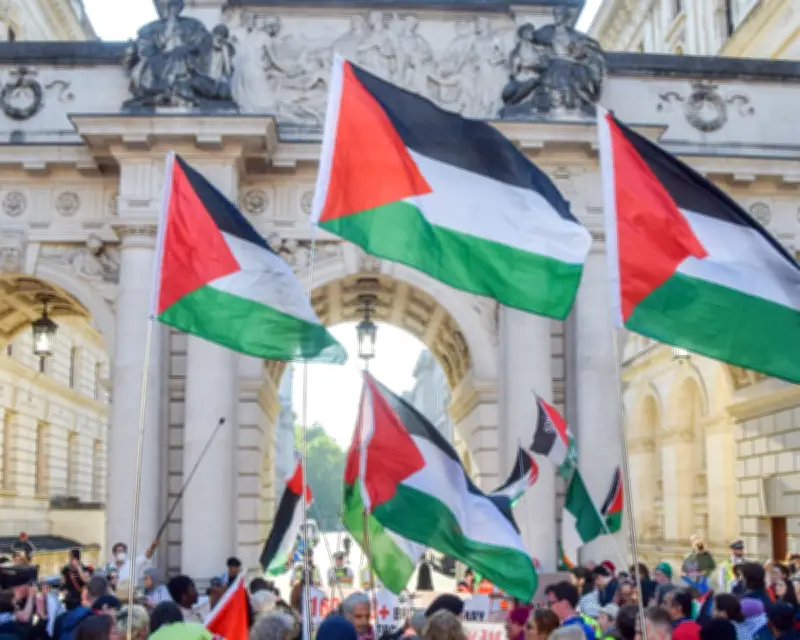
Pro-Palestine activists are increasingly convinced that the Labour Party is undergoing a significant shift in its approach to the Middle East, particularly regarding the Israeli-Palestinian conflict. This sentiment follows a series of recent policy announcements and changes in rhetoric from senior party figures.
Policy shifts and rhetoric
In recent months, Labour leaders have made statements that suggest a more critical stance towards Israel's actions in the occupied territories. For instance, shadow foreign secretary David Lammy has called for a ceasefire in Gaza and expressed support for a two-state solution with stronger guarantees for Palestinian rights. Additionally, the party has endorsed the International Criminal Court's investigation into alleged war crimes by both Israeli forces and Palestinian militant groups.
Activists point to the Labour Party's decision to abstain from a recent parliamentary vote on recognizing Palestinian statehood as a sign of evolving thinking. While some argue this falls short of full support, others see it as a strategic move to build consensus within the party and with international allies.

Grassroots pressure
The shift is partly attributed to sustained grassroots activism within the Labour Party. Local branches and affiliated unions have passed motions calling for stronger action on Palestinian rights, including sanctions on Israel and a ban on arms sales. These internal pressures have forced the leadership to address the issue more prominently.
Activists also note the influence of younger party members, who are often more vocal in their support for Palestinian causes. This demographic shift is reflected in the party's membership and its elected representatives, with several new MPs having campaigned on pro-Palestine platforms.
Criticism and challenges
Despite the perceived shift, critics within the pro-Palestine movement remain cautious. Some argue that Labour's changes are largely cosmetic and do not go far enough in challenging Israel's policies. They point to the party's continued support for a two-state solution, which they see as untenable given ongoing settlement expansion.
Furthermore, Labour faces opposition from pro-Israel factions within the party and from external groups like the Jewish Labour Movement, which has accused the leadership of tolerating antisemitism. The party has sought to balance these concerns by reiterating its commitment to Israel's security while criticizing specific policies.
International context
The Labour Party's evolving stance also reflects broader international trends. As global opinion increasingly condemns Israel's actions in Gaza and the West Bank, many center-left parties are recalibrating their positions. Labour's shift aligns with similar moves by sister parties in Europe and the United States.
Activists hope that Labour's changed approach will influence UK foreign policy if the party returns to government. They are calling for concrete actions, such as recognizing Palestine as a state and imposing sanctions on Israeli settlements. However, they acknowledge that any future Labour government would face significant diplomatic and domestic constraints.
In conclusion, while pro-Palestine activists see a sea change in Labour's approach to the Middle East, they remain vigilant about translating rhetoric into meaningful policy changes. The coming months will be crucial in determining whether this shift is genuine and lasting.