Chancellor Rachel Reeves has sparked intense speculation about Labour's future leadership by publicly endorsing Greater Manchester Mayor Andy Burnham as a potential prime minister, bypassing prominent colleagues including Health Secretary Wes Streeting and former Labour leader Ed Miliband.
Reeves's Endorsement at a Labour Event
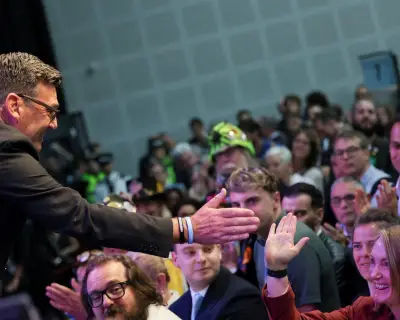
Speaking at a Labour Party fundraising dinner in Manchester on Thursday evening, Reeves declared that Burnham "has what it takes to lead this party and this country in the future." The Chancellor's remarks, reported by multiple attendees, mark a significant departure from the usual protocol of not speculating on future leadership while a sitting prime minister remains in office.
Reeves specifically praised Burnham's record as metro mayor, highlighting his work on transport, housing, and regional economic development. "Andy has shown that Labour can deliver real change at a local level," she said. "He has the vision and the determination that we need in a prime minister."

Burnham's Response and Wider Reactions
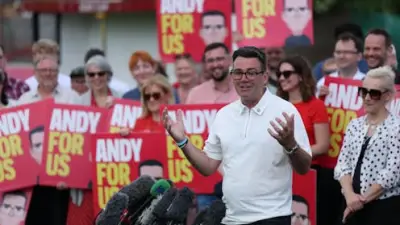
Burnham, who ran for the Labour leadership in 2015 and 2020, responded cautiously, saying he was "flattered by Rachel's kind words" but insisted his focus remained on Greater Manchester. "There's a lot of work to do here, and that's where my energy is directed," he told the BBC's Northwest Tonight program.
The endorsement has caused ripples within Labour circles, with some MPs expressing surprise that Reeves would so openly back a potential rival to Prime Minister Keir Starmer. A senior Labour source, speaking on condition of anonymity, said: "It's highly unusual for a chancellor to anoint a successor while the current leader is still in post. This will certainly raise eyebrows in Number 10."
Implications for Streeting and Miliband
The omission of Wes Streeting, widely seen as a rising star and potential future leader, is particularly striking. Streeting has built a strong profile as Health Secretary, overseeing NHS reforms and winning plaudits from some Conservative MPs for his pragmatic approach. Ed Miliband, who led Labour from 2010 to 2015 and currently serves as Shadow Climate Change Secretary, has also been frequently mentioned as a possible contender should the leadership become vacant.
Political analyst Professor Tim Bale of Queen Mary University of London said: "Reeves's intervention is a clear signal that she sees Burnham as the candidate best placed to unite the party's different wings. Streeting is seen as more centrist, while Miliband represents the soft left. Burnham, with his appeal to both Red Wall voters and metropolitan progressives, might be the compromise candidate."
Burnham's Political Journey
Andy Burnham, 55, has served as Mayor of Greater Manchester since 2017, winning re-election in 2021 and 2024 with increased majorities. He previously held several cabinet posts under Gordon Brown, including Health Secretary and Culture Secretary. His tenure as mayor has been marked by high-profile battles with central government over transport funding, homelessness, and the response to the Covid-19 pandemic.
Burnham's leadership bids in 2015 and 2020 saw him finish third and fourth respectively, but his profile has grown significantly since. A recent YouGov poll placed him as the most popular Labour politician among the general public, with a net approval rating of +18, compared to Starmer's +2 and Streeting's +11.
Reaction from Number 10
Downing Street declined to comment directly on Reeves's remarks, with a spokesperson saying only that "the Prime Minister has full confidence in the Chancellor and the entire cabinet." However, allies of Starmer expressed irritation. One told the Financial Times: "It's not helpful. We need to be focused on delivering for the country, not on internal positioning."
Labour MP Chris Bryant, a close ally of Starmer, urged restraint, telling Sky News: "We have a brilliant Prime Minister in Keir Starmer, and the party is united behind him. Any talk of future leadership is premature and distracting."

What This Means for Labour's Future
The endorsement underscores the fluidity of Labour's internal dynamics as the party navigates a challenging political landscape. With Starmer's approval ratings hovering around 30% and the Conservatives gaining ground in recent by-elections, speculation about his long-term tenure has intensified. Reeves's public backing of Burnham may be seen as an attempt to shape the succession narrative in her preferred direction.
However, some observers caution against reading too much into a single speech. "Politicians say flattering things about colleagues all the time," said Professor Rosie Campbell of King's College London. "But to single out one person so explicitly, and to omit others who are equally qualified, is unusual. It suggests that Reeves is thinking about the future and wants Burnham to be part of it."
Burnham himself has not ruled out a future leadership run, telling the Manchester Evening News last month that he "would never say never" but that his "focus is on Greater Manchester for now."