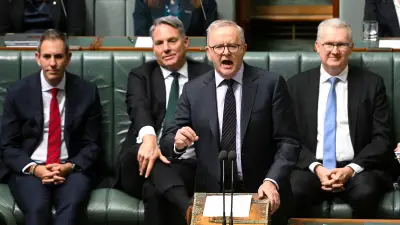
Sir Keir Starmer and Rachel Reeves have launched the government's long-delayed defence plan, a move described by insiders as marked by a sense of resigned relief rather than triumph. The plan, which outlines strategic priorities for the UK's military and security posture, comes after months of internal debate and external pressure from allies.
Key Elements of the Defence Plan
The plan commits to increasing defence spending to 2.5% of GDP by 2030, a target previously set but delayed due to economic constraints. It also includes a review of the UK's nuclear deterrent, Trident, and a pledge to modernise the armed forces with a focus on cyber and space capabilities. According to a senior government source, the plan represents a compromise between the Treasury's desire for fiscal discipline and the Ministry of Defence's calls for urgent investment.
Political Reactions and Context
Labour leader Starmer emphasised the need for a credible defence posture in a volatile world, while Chancellor Reeves stressed that the plan is fully costed and will not require additional borrowing. However, critics within the party argue that the 2.5% target is insufficient given the threat from Russia and instability in the Middle East. Shadow defence secretary John Healey said, "This plan is a step forward, but it lacks the ambition needed to protect our nation."

The launch follows months of delays, with the original announcement expected in spring. The government cited the need to align defence commitments with the upcoming spending review. Defence experts have welcomed the plan but caution that implementation will be challenging. Professor Michael Clarke of King's College London noted, "The devil is in the detail. Without sustained investment, these targets risk becoming aspirational."
Economic and Strategic Implications
The plan includes a pledge to increase the defence budget by £5 billion over the next four years, funded by efficiency savings and a reduction in non-essential spending. Reeves stated, "We are ensuring that every pound spent on defence delivers maximum value for our security and our economy." The announcement has been met with cautious optimism from NATO allies, who have long urged the UK to meet its spending commitments.
In a separate development, the government confirmed that the next generation of nuclear submarines will be built in Barrow-in-Furness, safeguarding thousands of jobs. This decision was welcomed by unions and local MPs. However, some analysts question whether the plan adequately addresses emerging threats such as climate change and hybrid warfare.