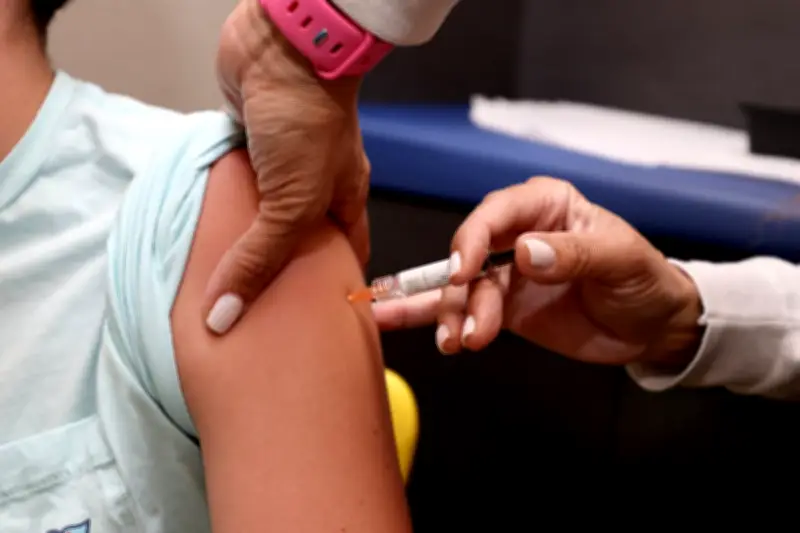
The Trump administration has quietly scaled back a federal overdose prevention program, reducing its budget by more than 40% for the upcoming fiscal year, according to internal documents obtained by The Guardian. The program, which provides grants to states and local communities for naloxone distribution, addiction treatment, and harm reduction services, saw its funding slashed from $500 million to $290 million.
Details of the Cuts
The cuts affect the State Opioid Response (SOR) grant program, which has been a cornerstone of the federal response to the opioid epidemic since 2018. The program funds a wide range of services, including medication-assisted treatment, recovery support, and the purchase of naloxone, a life-saving medication that reverses opioid overdoses. According to the documents, the administration plans to redirect the remaining funds to other priorities, though specifics were not provided.
Impact on Communities
Public health officials warn that the reduction will have devastating consequences. Dr. Nora Volkow, director of the National Institute on Drug Abuse, said in a statement: "Cutting funding for overdose prevention at a time when fentanyl-related deaths are at an all-time high is a catastrophic decision. These grants save lives, and reducing them will inevitably lead to more overdose fatalities." The move comes as the U.S. faces a record number of overdose deaths, with over 110,000 Americans dying from drug overdoses in the past year, according to the Centers for Disease Control and Prevention.

Political Reaction
The cuts have drawn sharp criticism from Democratic lawmakers and addiction advocacy groups. Representative Frank Pallone of New Jersey, the top Democrat on the House Energy and Commerce Committee, called the decision "shameful" and accused the administration of "abandoning communities in crisis." In contrast, White House spokesperson Sarah Matthews defended the move, arguing that the administration is "streamlining federal programs to ensure taxpayer dollars are spent effectively." She added that the administration remains committed to combating the opioid epidemic but did not provide details on alternative funding sources.
Broader Context
The reduction in SOR funding is part of a broader trend of cuts to public health programs under the Trump administration. Earlier this year, the administration proposed a 15% cut to the Substance Abuse and Mental Health Services Administration (SAMHSA) budget, which oversees many addiction and mental health services. Critics argue that these cuts undermine the nation's ability to respond to the ongoing overdose crisis, which has been exacerbated by the COVID-19 pandemic and the proliferation of illicit fentanyl.