Israel Demands Australia Join Iran Military Campaign as War Escalates
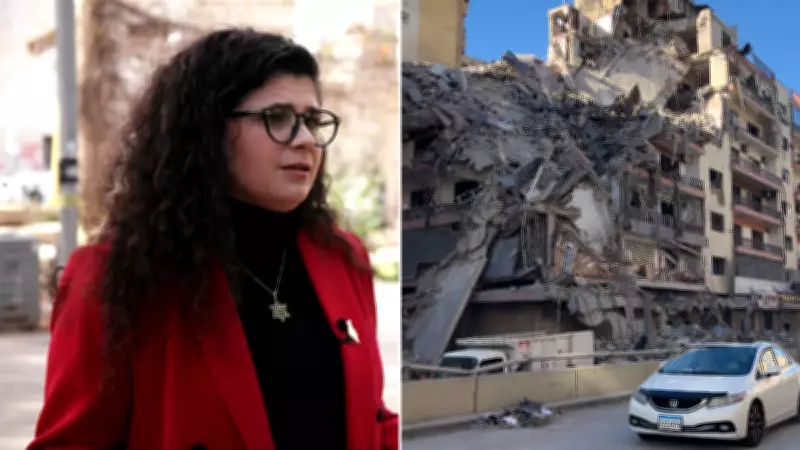
Israel has issued a direct appeal to Australia, urging the nation to "wake up" and actively participate in the ongoing military conflict against Iran, now entering its sixth tumultuous day. Israeli Deputy Foreign Minister Sharren Haskel delivered this stark message in an interview with 7NEWS, calling for Australian involvement in the coordinated strikes launched by the United States and Israel targeting Iranian assets.
"Time to Join Forces" Says Israeli Official
"The war is now escalating on all fronts. So my message to Australia is to wake up," Haskel declared emphatically. She expressed expectations that Australia, with its "long history of defending humanity and freedom throughout many wars," would now align militarily with the campaign. Haskel addressed potential Australian concerns about economic repercussions, including impacts on fuel prices, trade routes, travel security, and broader economic stability, insisting the long-term strategic benefits outweigh immediate costs.
"They need to understand what could have come in the future, which would have been far more dangerous, which would have been much more economically costly as well," she argued, framing the conflict as a necessary preventive measure against greater future threats.

Israel Vows to Target Iranian Leadership Successor
In a significant escalation of rhetoric, Haskel indicated that Israel would have "no choice" but to target Mojtaba Khamenei, son of Iran's former Supreme Leader Ayatollah Ali Khamenei, should he assume leadership. When questioned about potential assassination, she responded unequivocally: "Look, anyone who would threaten the annihilation of the state of Israel will be eliminated. We don't have any other choice."
Regional Conflict Expands Across Middle East
The Israeli demands coincide with widening hostilities across the region. On Thursday, additional air attacks originated from Israel with retaliatory missile launches from Iran. Qatar's Defence Ministry reported missile attacks in Doha, while the Qatari government condemned Iranian missile attempts against Turkey and drone strikes targeting Nakhchivan International Airport in Azerbaijan.
Qatar's Foreign Ministry characterized Iran's actions as "a dangerous, aggressive escalation and a blatant violation to the nations' sovereignty." Meanwhile, Turkey's defence ministry confirmed NATO intercepted a ballistic missile fired from Iran toward Turkish airspace, though the joint border remains calm without extraordinary migrant movements.
Azerbaijan's Defence Ministry announced preparations for "necessary response" measures following the Iranian drone attack, strongly condemning assaults on civilian infrastructure and vowing to protect territorial integrity. "These attacks will not go unanswered," the ministry warned.
Israeli Military Operations and Regional Militia Activity
Israel's military confirmed completing overnight strikes targeting Iranian ballistic missile storage and deployment sites, additionally preventing a missile launch against Israeli aircraft by striking operatives preparing launchers. Concurrently, pro-Iran militias in Iraq claimed responsibility for twenty-nine attacks on "enemy targets" within twenty-four hours, utilizing dozens of drones and missiles.
The Islamic Resistance in Iraq, an umbrella group of Iran-aligned factions, warned that all countries supporting military actions against Iran would be considered "legitimate targets," claiming to have shot down a US drone. These developments highlight Tehran's substantial influence in Iraq through loyal militias, with observers warning that weakening Iran could trigger new unrest in Iraq given shared borders and deep political connections.
Visual evidence from conflict zones shows significant destruction, including damaged airports in Azerbaijan, rubble from Israeli airstrikes in Beirut's southern suburbs, and smoke plumes rising over Tehran from US-Israeli military campaigns. A poignant billboard depicting the late Ayatollah Ali Khamenei, killed in strikes, looms over empty squares in Iran's capital, symbolizing the conflict's profound human and symbolic toll.