Fiery Sunrise Debate Over Australia's Skilled Migration System
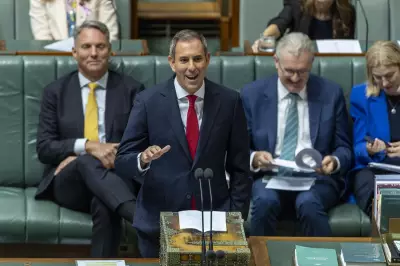
A fiery clash has erupted between Social Services Minister Tanya Plibersek and One Nation MP Barnaby Joyce on the Sunrise program on Monday. This intense exchange comes as the federal government faces mounting pressure to update Australia's outdated skilled migration system, which has seen little progress despite Labor's reform pledges nearly three years ago.
Outdated Migration Framework Under Scrutiny
Australia's current migration framework relies on a points test that assesses applicants based on their experience and qualifications. However, a recent review has found this system to be outdated and failing to properly target the most skilled workers needed for the nation's economy. While consultations have taken place, concrete reforms have stalled, leaving many questioning the government's commitment to change.
Plibersek defended the delay, arguing that the government is focused on getting the settings right to ensure Australia attracts the best talent. "We need to have skilled migrants for our nation," she stated, highlighting projects like the AUKUS building initiative, which will create thousands of highly skilled jobs in the coming years. "We need to make sure we're getting the best people in here with the best skills," she emphasized.
Housing and Migration Pressures Intensify Debate
Joyce seized on the issue of migration levels and housing pressures, arguing that Australia lacks the capacity to absorb new arrivals. He pointed to figures showing 303,000 people arrived in 2024-2025, with peaks reaching 550,000, and questioned whether the nation has built enough houses to accommodate them. "We certainly haven't built the houses even for last year for 303,000 people to come in," Joyce asserted, calling for a stocktake of national capacity before targeting specific skillsets.
Plibersek rejected the suggestion that migration settings are unchecked, clarifying that the 550,000 figure includes temporary residents, while the permanent migration cap remains at 185,000 per year. She noted that the government has tripled skilled migration in building trades to address housing shortages, stating, "One of the reasons that homes are so expensive to build at the moment is because we don't have the skilled workforce to build them." She also stressed the importance of investing in TAFE and universities to home-grow a skilled workforce.
Doctor Shortages Spark Tensions in Regional Areas
The debate narrowed to a critical question: if Australia is bringing in so many skilled migrants, why are country towns still short of doctors? Tensions flared as Joyce accused the government of failing to design migration settings that drive doctors into remote areas. "We've got locums coming in at more than $3,000 a day. You haven't got the settings that actually allow us to have permanent doctors in remote areas," he argued, questioning why doctors end up in major cities like Sydney and Melbourne instead.
Plibersek acknowledged that it takes at least six or seven years to train a doctor and defended the government's efforts. "We're training more doctors, and we're opening more medical schools, but in the meantime, if we hadn't invited doctors from overseas to work in country towns, there'd be country towns with no doctor," she explained. She highlighted that country towns have doctors because of overseas recruitment, as Australia has not trained enough local doctors for years.
Mounting Pressure for Reform Amid Major Projects
With major projects like AUKUS on the horizon, the government faces increasing pressure to prove that its migration settings can meet demand without deepening housing and regional service strains. The clash on Sunrise underscores the broader political and social challenges surrounding immigration, as voters seek solutions to skills shortages and infrastructure gaps. As the debate continues, the need for timely and effective reforms remains a pressing issue for Australia's future growth and stability.