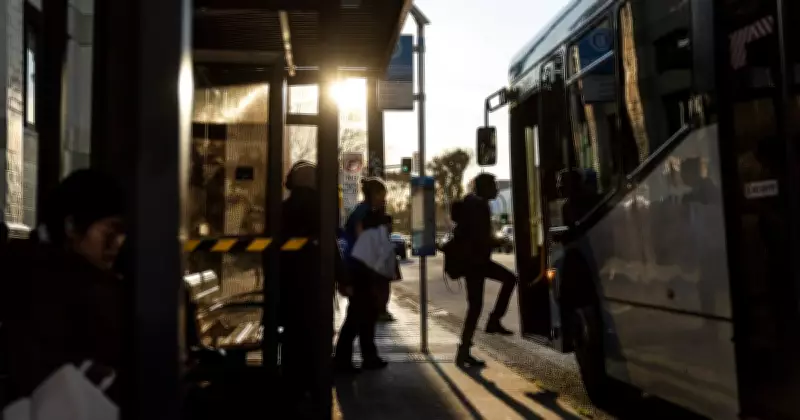
Newcastle Buses: Pressure Mounts to Abandon Failing Private Model
In Newcastle, a significant groundswell of community and political pressure is building to scrap the city's privatised bus system, which has been widely criticised for persistent service failures and escalating costs. The push comes amid mounting frustration over unreliable schedules, overcrowded vehicles, and a perceived lack of accountability from the private operator, sparking calls for a return to public control to restore efficiency and trust in the transport network.
Service Breakdowns and Public Outcry
Residents and commuters in Newcastle have reported numerous issues with the privatised bus model, including frequent delays, route cancellations, and inadequate maintenance of vehicles. These problems have led to widespread disruptions, particularly affecting students, workers, and elderly individuals who rely heavily on public transport for daily mobility. Community groups have organised protests and petitions, highlighting how the private system has failed to meet basic service standards, with many arguing that profit motives have compromised passenger safety and convenience.
Economic and Operational Concerns
Beyond service quality, the privatised model has raised economic red flags, with costs to taxpayers and users steadily increasing despite the subpar performance. Critics point to inflated contract fees and hidden expenses that have strained local budgets, while the private operator's focus on maximising returns has allegedly led to cutbacks in essential services. Operational inefficiencies, such as poor route planning and a shortage of drivers, have further exacerbated the situation, prompting calls for a comprehensive review of the transport strategy.

Political and Regulatory Responses
Local and state politicians are now facing heightened scrutiny over the bus privatisation, with opposition parties and advocacy groups demanding immediate action to address the crisis. Proposals include terminating the private contract early, implementing stricter performance benchmarks, or transitioning back to a publicly managed system. Regulatory bodies have also been urged to investigate compliance issues and enforce penalties for non-performance, as the debate intensifies around the broader implications of privatising essential public services.
Future Prospects and Community Hopes
As pressure builds, stakeholders are exploring alternatives, such as hybrid models or enhanced public oversight, to improve Newcastle's bus network. Community leaders emphasise that a successful transport system must prioritise accessibility, reliability, and affordability, rather than corporate profits. With public sentiment strongly favouring a shift away from privatisation, the coming months could see decisive moves toward reforming or replacing the current model, aiming to deliver a more sustainable and passenger-focused service for Newcastle's growing population.