Wollongong Council Sued Over Alleged Blocking of Clifftop Land Access
Wollongong City Council has been hit with a lawsuit over claims it unlawfully prevented public access to a scenic clifftop property, igniting a contentious legal dispute that centers on land rights and community usage in the Illawarra area. The case, which has drawn significant local attention, alleges that the council took actions to restrict entry to the land, potentially violating public access provisions and sparking broader debates about municipal governance and environmental stewardship.
Details of the Legal Claim and Council's Response
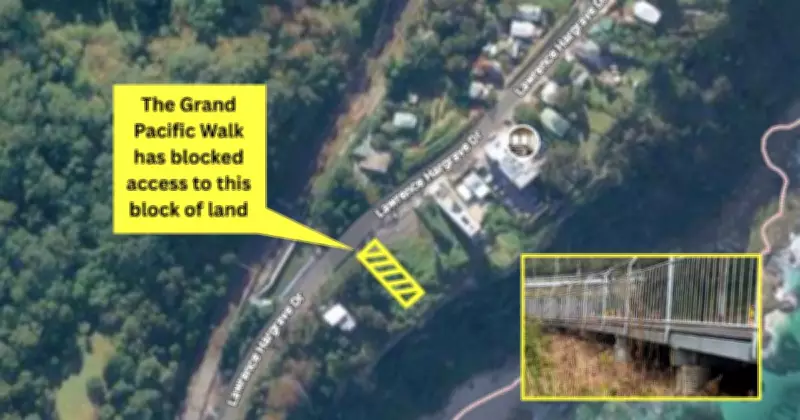
The legal action, filed in a New South Wales court, accuses Wollongong Council of implementing measures that effectively blocked access to the clifftop site, which is reportedly valued for its panoramic views and recreational potential. According to the plaintiffs, the council's actions included installing barriers or enforcing restrictions that hindered public entry, raising questions about the legality of such moves under local planning and land management laws. In response, the council has stated it is reviewing the claims and will defend its position, emphasizing its commitment to balancing public safety, environmental protection, and community interests in its decision-making processes.
Broader Implications for Land Use and Community Relations
This lawsuit highlights ongoing tensions between local governments and residents over land access issues, particularly in coastal regions like Wollongong where clifftop areas are prized for their natural beauty and leisure opportunities. Experts suggest that the outcome could set a precedent for how councils manage public lands, influencing future policies on access rights and conservation efforts. Community groups have expressed mixed reactions, with some supporting the council's safety measures, while others argue for greater transparency and public involvement in land-use decisions.

The case is expected to proceed through the legal system in the coming months, with potential ramifications for Wollongong's urban planning and community engagement strategies. As the dispute unfolds, it underscores the complex interplay between municipal authority, property rights, and the public's desire for accessible natural spaces in Australia's urban environments.