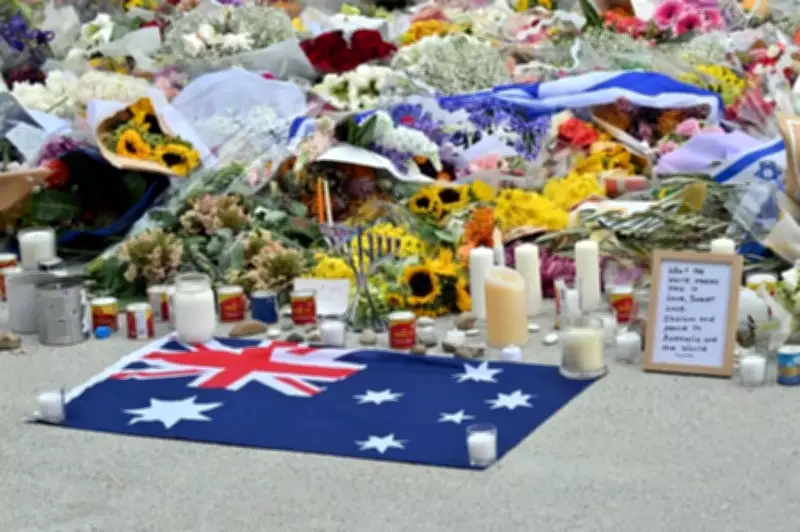
A comprehensive investigation into the Bondi incident has delivered a series of recommendations aimed at preventing similar tragedies, with a central call for the harmonisation of gun laws across all Australian states and territories. The probe, which examined the circumstances surrounding the event, has urged policymakers to adopt a unified approach to firearm regulations, closing loopholes that currently exist due to jurisdictional differences.
Key Recommendations from the Inquiry
The inquiry's report, released on Thursday, outlines several critical measures designed to enhance public safety. Among the most significant proposals is the establishment of a national firearms register, which would provide law enforcement agencies with real-time access to information on firearm ownership and movements. Currently, each state and territory maintains its own database, leading to inconsistencies and potential gaps in monitoring.
Uniform Licensing and Background Checks
The report also calls for standardised licensing requirements across the country. This includes uniform waiting periods, mandatory safety training, and consistent criteria for background checks. The aim is to prevent individuals who are prohibited from owning firearms in one jurisdiction from obtaining them in another. Additionally, the inquiry recommends stricter oversight of gun clubs and shooting ranges, ensuring that all firearms are securely stored and accounted for.

Enhanced Security at Public Venues
Beyond gun law reforms, the probe emphasises the need for improved security measures at public venues, particularly those that attract large crowds. Recommendations include the installation of bollards and barriers to prevent vehicle attacks, increased deployment of security personnel, and the use of advanced surveillance technologies. The report also advocates for better coordination between private security firms and police, ensuring a swift and effective response to any threat.
Political Reactions and Next Steps
The release of the report has sparked immediate reactions from political leaders. Prime Minister Anthony Albanese described the recommendations as 'sensible and necessary,' pledging to work with state and territory leaders to implement them. 'Australians expect their governments to do everything possible to keep them safe,' he said. 'These reforms will close dangerous gaps in our current system.'
However, some state premiers have expressed reservations about the feasibility of a national firearms register, citing concerns over cost and data privacy. The New South Wales Premier indicated that while the state supports the principle of harmonisation, the details require careful consideration. 'We need to ensure that any new system is practical and respects the rights of law-abiding gun owners,' she stated.
Community and Expert Responses
Community groups and gun control advocates have largely welcomed the report's findings. The head of Gun Control Australia said the recommendations represent a 'once-in-a-generation opportunity' to strengthen firearm laws. 'We cannot afford to let this moment pass,' she said. 'The public deserves action, not more delays.'
Conversely, some shooting sports organisations have voiced concerns that the proposed changes could unfairly burden responsible gun owners. They argue that the focus should be on enforcing existing laws rather than introducing new ones. The inquiry, however, noted that current enforcement is hampered by the lack of a unified system.
Implementation Timeline
The report sets a timeline for implementation, with priority measures to be enacted within the next 12 months. These include the establishment of a task force to oversee the transition to a national register and the introduction of legislation to standardise licensing. The inquiry has also recommended ongoing reviews to assess the effectiveness of the new measures and make adjustments as needed.
As the nation awaits the next steps, the Bondi probe has shone a spotlight on the complexities of firearm regulation in a federation. The coming months will test the willingness of governments to cooperate and deliver on the promise of a safer Australia.