Ben Roberts-Smith Plaque Defaced in Mt Barker After War Crime Charges
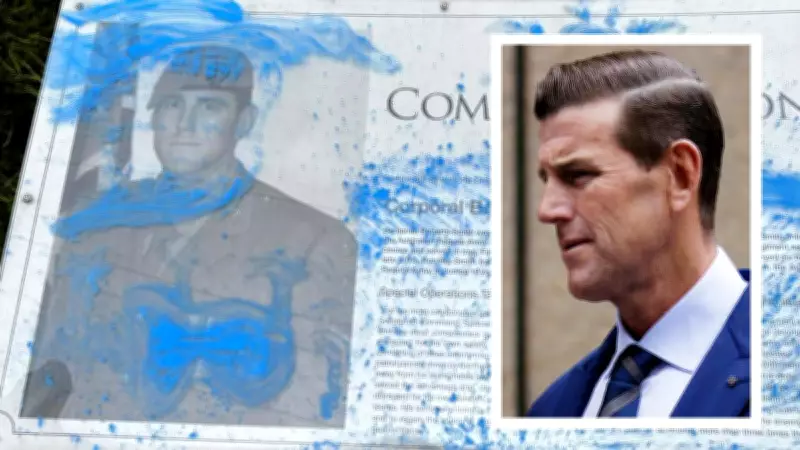
A commemorative plaque dedicated to Ben Roberts-Smith in the town of Mt Barker has been defaced with graffiti, an act that occurred shortly after the former soldier faced alleged war crime charges. The plaque, part of the Ben Roberts-Smith Commemoration Way, was discovered vandalised, with spray-painted markings covering its surface. This incident has ignited significant debate within the local community and beyond, reflecting the polarising nature of the allegations against Roberts-Smith.
Community Reaction to the Vandalism
Local residents in Mt Barker have expressed mixed reactions to the defacement of the plaque. Some view the graffiti as a form of protest against the serious war crime charges, while others condemn it as disrespectful vandalism that undermines public property. Community leaders have called for calm and urged people to respect the legal process, emphasising that the allegations are still before the courts and have not been proven. The plaque, which was installed to honour Roberts-Smith's military service, has become a focal point for discussions about accountability and honour in the wake of the charges.
Background on the Allegations and Commemoration
Ben Roberts-Smith, a highly decorated former Australian soldier, has been charged with alleged war crimes related to his service in Afghanistan. These charges have cast a shadow over his previous accolades, including the Victoria Cross, and have led to widespread media coverage and public scrutiny. The Ben Roberts-Smith Commemoration Way in Mt Barker was established as a tribute to his military achievements, but the recent vandalism highlights how the allegations have tarnished his legacy. Authorities are investigating the graffiti incident, and there are discussions about whether the plaque should be removed or restored, depending on the outcome of the legal proceedings.

Implications for Public Memorials and Legal Proceedings
This event raises broader questions about how societies handle public memorials for individuals accused of crimes. In Mt Barker, the defaced plaque serves as a stark reminder of the tension between honouring past service and addressing alleged misconduct. Legal experts note that while vandalism is illegal, it often reflects public sentiment during high-profile cases. As the war crime charges against Roberts-Smith proceed through the courts, this incident may influence future decisions regarding similar commemorations across Australia. The community awaits further developments, hoping for a resolution that respects both justice and historical recognition.