AI Cameras Under Fire After 60% of Motorists Win Seatbelt Fine Appeals
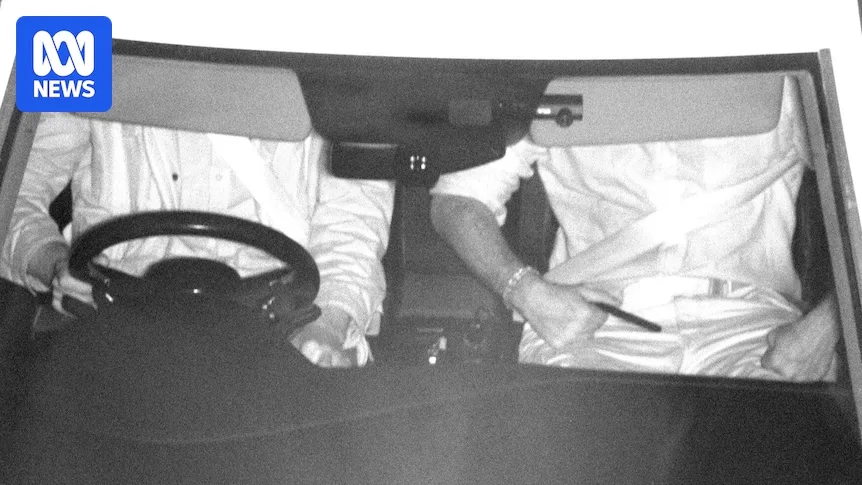
Advanced artificial intelligence cameras deployed across the state have come under intense fire following revelations that a staggering 60% of motorists have successfully appealed fines issued for seatbelt violations. This high appeal success rate has sparked widespread concern among drivers, legal experts, and political figures, who are now questioning the accuracy and reliability of the high-tech enforcement system.
Massive Appeal Success Rate Raises Serious Questions
The controversy erupted when official data showed that nearly two-thirds of all motorists who challenged seatbelt fines issued by the AI cameras had their penalties overturned on appeal. This extraordinary figure has led to calls for an immediate review of the camera technology and its implementation. Critics argue that such a high error rate suggests the system may be flawed, potentially penalising innocent drivers and undermining public trust in automated law enforcement.
State political leaders have expressed deep alarm over the findings, with many demanding transparency and accountability from the authorities responsible for the camera rollout. The issue has quickly become a hot-button topic in state politics, highlighting tensions between technological innovation and civil liberties. Motorists' advocacy groups have joined the fray, urging the government to suspend the fines until a thorough investigation is completed.
Technical Glitches and Legal Challenges
Experts in artificial intelligence and traffic law have pointed to several potential causes for the high appeal success rate. These include possible technical glitches in the camera software, such as misinterpreting shadows, clothing, or vehicle interiors as seatbelt violations. Additionally, there may be issues with the calibration of the cameras or the algorithms used to detect infractions.
Legal professionals have noted that many successful appeals were based on clear evidence, such as timestamp discrepancies or photographic proof that seatbelts were properly fastened. This has raised doubts about the initial review process for fines, with some suggesting that human oversight is insufficient or rushed. The situation has prompted discussions about the need for more robust verification steps before fines are issued to prevent wrongful penalties.
Impact on Public Trust and Future Enforcement
The fallout from the appeal statistics extends beyond immediate fines, potentially eroding public confidence in automated enforcement systems. Drivers may become sceptical of all traffic cameras, fearing inaccurate penalties, which could undermine road safety initiatives. State officials are now under pressure to address these concerns promptly to maintain the integrity of traffic laws.
In response, authorities have indicated that they are reviewing the camera data and appeal outcomes to identify any systemic issues. However, they have also defended the technology, emphasising its role in improving road safety by deterring seatbelt non-compliance. The debate continues as stakeholders weigh the benefits of AI-driven enforcement against the risks of errors and unfair fines.
As this story develops, it serves as a cautionary tale about the challenges of integrating artificial intelligence into public policy. Ensuring accuracy, fairness, and transparency will be crucial for the future of such technologies in law enforcement and beyond.