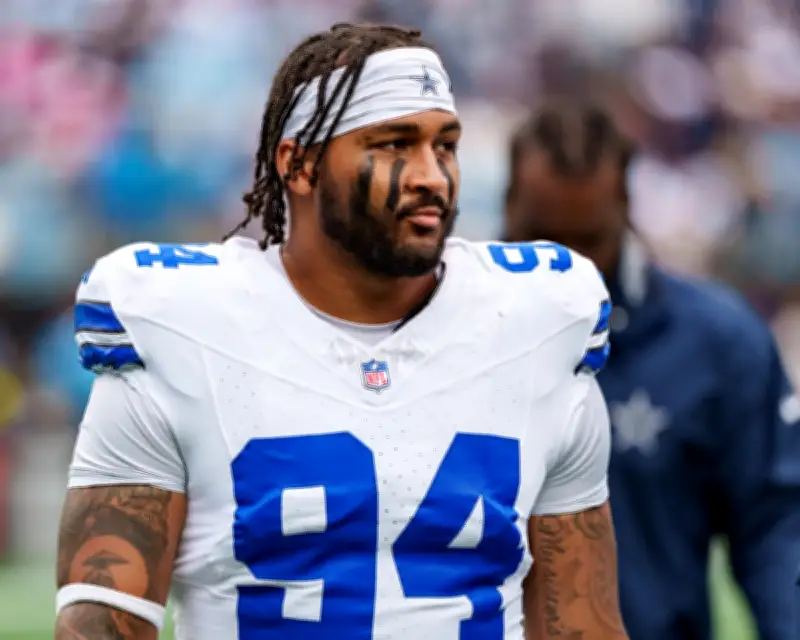
Former NFL running back Marshawn Kneeland, who died at age 46 in July 2026, has been posthumously diagnosed with chronic traumatic encephalopathy (CTE), a degenerative brain disease linked to repeated head impacts. The diagnosis, confirmed by researchers at Boston University's CTE Center, marks one of the most high-profile cases in the ongoing debate over player safety in American football.
Landmark Diagnosis and Its Implications
Kneeland's brain tissue was donated for research after his death, which was ruled accidental due to a fall. Dr. Ann McKee, director of the CTE Center, stated, "Marshawn Kneeland's case is a stark reminder that CTE can affect players who did not have a long career in the NFL. He played only eight seasons, but the cumulative subconcussive hits were sufficient to cause severe pathology." The diagnosis is significant because Kneeland did not have a history of diagnosed concussions, highlighting the danger of repetitive subconcussive impacts.
Kneeland's Career and Post-Retirement Struggles
Kneeland played for the Seattle Seahawks and Oakland Raiders from 2002 to 2009, rushing for 5,678 yards and 42 touchdowns. After retirement, he reported memory loss, mood swings, and depression. His family noted cognitive decline in his final years. "He was a vibrant, joyful person, but in his 40s he became withdrawn and irritable," said his sister, Tanya Kneeland. "We had no idea football was the cause."

CTE Research and NFL Response
The NFL has faced criticism for its handling of head injuries. In 2024, the league pledged $100 million for CTE research and safety initiatives. However, advocates argue more action is needed. "Every new case like Kneeland's underscores the urgency of reducing head impacts in practice and games," said Chris Nowinski, CEO of the Concussion Legacy Foundation. The NFL did not immediately comment on Kneeland's diagnosis.
Broader Impact on Football
Kneeland's case adds to the growing list of NFL players diagnosed with CTE posthumously, including Hall of Famers like Junior Seau and Ken Stabler. A 2023 study found CTE in 91% of former NFL players' brains examined. The diagnosis has renewed calls for rule changes, particularly banning three-point stances and reducing contact practices. Youth football participation has declined 30% since 2010, partly due to CTE fears.
Family's Call for Change
The Kneeland family has urged the NFL to adopt stricter safety protocols. "Marshawn loved the game, but he would want to protect future players from suffering as he did," his sister said. The family is supporting legislation in Congress that would mandate baseline cognitive testing for all contact sports athletes.
Scientific Context
CTE is characterized by the accumulation of tau protein in the brain, leading to neurodegeneration. It can only be diagnosed posthumously. Dr. McKee emphasized that Kneeland's brain showed advanced CTE, Stage III out of IV. "This is a severe case for someone his age," she said. The findings were published in the Journal of Neuropathology & Experimental Neurology.
Looking Forward
As the NFL season approaches, Kneeland's diagnosis is expected to intensify scrutiny of player safety. The league's new kickoff rules and limitations on contact practices are seen as steps forward, but critics say they do not go far enough. "We need a cultural shift in how we view head trauma in football," Nowinski said. "Marshawn Kneeland's legacy should be one of change."