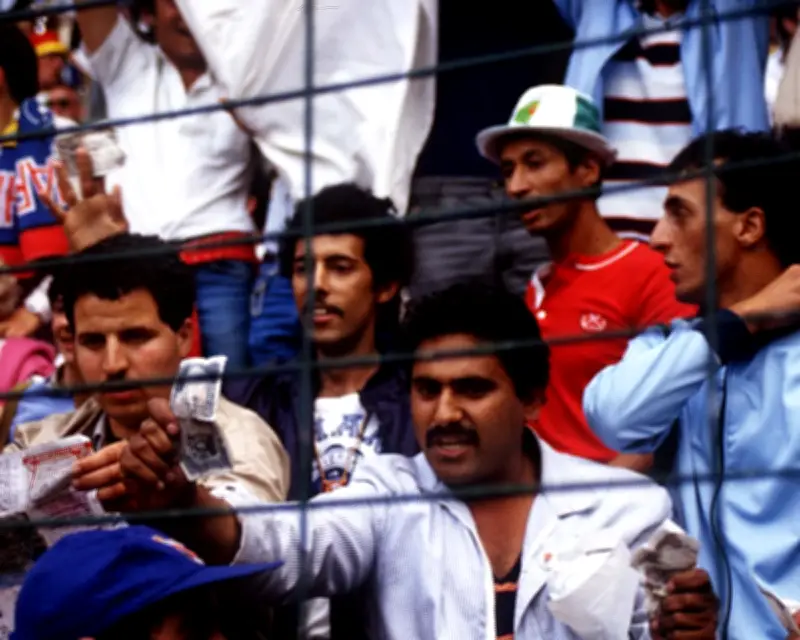
The 1982 FIFA World Cup in Spain witnessed one of the most controversial matches in football history, a game that became infamous as the "Shame of Gijon." West Germany faced Austria on June 25, 1982, at the El Molinón stadium in Gijon, with both teams knowing that a West German win by 1-0 would eliminate Algeria and send both European sides through to the second round. The match, played in a non-competitive spirit, saw minimal effort from either side after an early goal, effectively colluding to produce a result that suited both teams at the expense of Algeria.
The Context: Algeria's Historic Win
Algeria, making their World Cup debut, had stunned the football world by defeating West Germany 2-1 in their opening match. They then lost to Austria 2-0 but bounced back with a 3-2 victory over Chile. With four points, Algeria needed West Germany to beat Austria by at least two goals or for Austria to win by any margin to advance. However, the final group matches were scheduled simultaneously, and West Germany and Austria knew that a 1-0 win for West Germany would send both through on goal difference.
The Match: A Pre-Arranged Result?
The game started with West Germany scoring in the 10th minute through Horst Hrubesch. After that, both teams effectively stopped playing. The ball was passed around aimlessly, with no attempts to score. Austrian goalkeeper Friedrich Koncilia later admitted, "We knew a 1-0 win for Germany would be enough. We didn't want to take risks." The second half saw the ball spend most of its time in midfield, with players from both sides seemingly content with the scoreline. The crowd, predominantly Spanish, waved white handkerchiefs in disgust and chanted "Fuera, fuera" (Out, out).

The Aftermath: Algeria Eliminated
As the final whistle blew, the result confirmed Algeria's elimination. The match was widely condemned as a disgrace to the sport. The German magazine Der Spiegel called it "the day football died." Algeria lodged an official protest, but FIFA rejected it, stating that no rules had been broken. The incident led to a change in World Cup regulations, with final group matches now played simultaneously to prevent such collusion.
Legacy and Impact
The Shame of Gijon remains a cautionary tale in football. It highlighted the need for fair play regulations and led to the introduction of simultaneous kick-offs in the final group stage matches. For Algeria, it was a bitter pill to swallow, but they gained international sympathy and respect for their spirited performances. The match is often cited as a prime example of how the structure of tournaments can be manipulated by teams acting in their own interests.