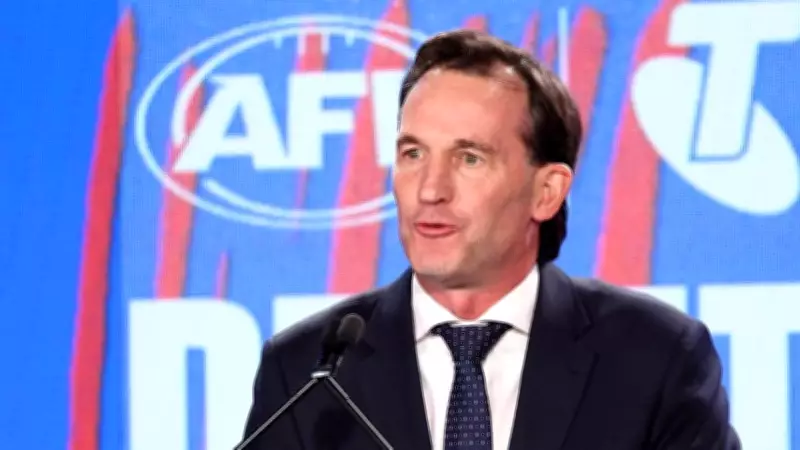
AFL Leadership Crisis: Pressure Mounts on Andrew Dillon Amid Internal Turmoil
Pressure is intensifying on AFL chief executive Andrew Dillon to retain his position as simmering internal tensions and controversial staff dismissals threaten to undermine his leadership. The situation has become increasingly precarious following a series of reported conflicts within the league's senior football operations team.
Football Operations Divide: Swann and Kane's Unresolved Roles
The core of the current crisis stems from what appears to be an unresolved power structure within the AFL's football department. Greg Swann, the former CEO of reigning premiers Brisbane Lions, effectively replaced Laura Kane as the league's football operations manager in July last year. However, the arrangement was originally presented as a shared responsibility between the two executives.
At the time of the announcement, the AFL issued a statement clarifying that Kane would maintain responsibility for "football operations," while Swann would "lead football performance." This division of duties has reportedly failed to function as intended, creating what observers describe as "real leadership tensions" between the two executives and their respective teams.

The Controversial Dismissal of Jude Donnelly
Complicating matters further was the controversial dismissal of long-time AFL staffer Jude Donnelly just days before Christmas. Reports indicate the decision was made by outgoing AFL chairman Richard Goyder, who steps down from his position in March.
According to media reports, Donnelly had allegedly fallen out of favor with Goyder due to her perceived criticism of his AFL commission succession process. Additionally, Kane was reportedly upset with Donnelly, believing she had been fueling media reports about tensions between herself and Swann.
Caroline Wilson's Analysis: "Embarrassing" Situation
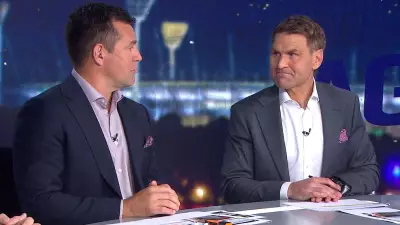
Respected football journalist Caroline Wilson has publicly addressed the situation, describing it as "embarrassing" for the league. Speaking on the podcast Don't Shoot the Messenger, Wilson detailed the leadership challenges facing Dillon.
"A big story that has been happening has been the leadership changes in footy at the AFL, where Greg Swann came in, took over from Laura Kane, but that was never properly explained," Wilson stated. "It was said that they were going to share the role; that hasn't worked. There has been real leadership tensions between those two, between people working under Laura Kane and Greg Swann. It's been embarrassing."
Wilson provided additional context regarding Donnelly's dismissal, revealing that the long-time staffer had been an unofficial chief of staff to Dillon and a significant supporter during his appointment process. According to Wilson's reporting, Goyder blamed Donnelly for commission-related stories due to her friendship with former Collingwood CEO Jeff Browne, who was previously in contention for a commission position.
Leadership Implications and Future Speculation
The handling of these internal matters has reportedly diminished Dillon's leadership standing within the organization. Wilson suggested that Dillon appears weak for not challenging Goyder's decision regarding Donnelly's dismissal, while Goyder himself comes across as "a bully, firing bullets on the way out."
Looking ahead, Wilson expressed skepticism about Dillon's longevity in the role. "I think it's difficult to see how Andrew Dillon lasts the year," she commented. "I think his leadership has been so badly diminished by this, unless he really did want her to go and he was just pretending when he told her... apparently there were tears at this meeting, it was really emotional."
Wilson also revealed that current AFL Chief Operating Officer Tom Harley is being positioned as the likely successor, stating: "The plan is, unless something goes horribly wrong, that Tom Harley will be the next CEO of the AFL."
Context and Contradictions
Dillon assumed the AFL's top executive position in 2023, taking over from former chief executive Gillon McLachlan. Many of the challenges he has faced since his appointment were inherited from the previous administration.

Despite the behind-the-scenes turmoil, the AFL achieved significant on-field success last year, setting an all-time club membership record with 1,363,437 members. This remarkable figure represents approximately one in twenty Australians holding an AFL club membership, demonstrating the league's continued popularity despite internal leadership challenges.
The contradiction between administrative difficulties and commercial success creates a complex backdrop for Dillon's leadership as he navigates these internal challenges while maintaining the league's operational momentum.