Cyclists' Close Calls Spark Safety Concerns on Canberra Paths
A Canberra resident has voiced growing frustration over cyclists speeding dangerously close to pedestrians on shared paths, raising alarms about potential accidents and calling for immediate safety improvements. The issue highlights the ongoing tension between different users of public spaces in the Australian Capital Territory.
Dangerous Encounters on Urban and Recreational Paths
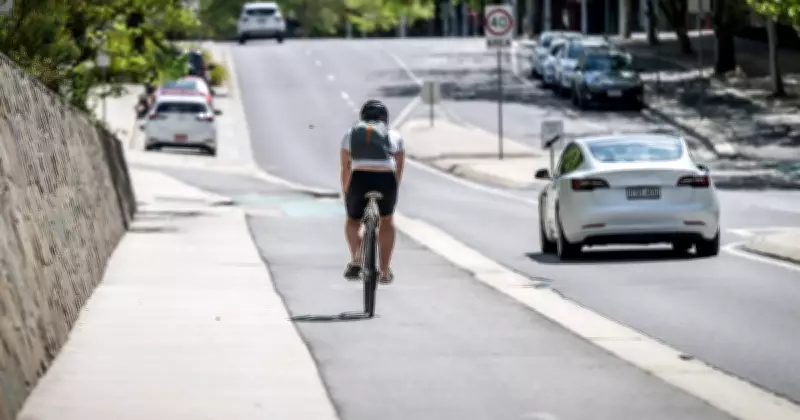
Recent incidents have brought this conflict into sharp focus. In Canberra's Civic centre, one rider reportedly treated pedestrians as obstacles on a mountain bike course, weaving through walkers on the pavement during the evening commute. Another concerning encounter occurred early on a Sunday morning around Lake Burley Griffin's eastern basin, where groups of sport cyclists in Lycra share narrow paths with countless walkers.
The problem extends to recreational areas like the Canberra Centenary Trail near Aranda Bushland Nature Reserve, where a pedestrian consulting a map on their phone was shouted at by a passing cyclist. These incidents demonstrate how shared infrastructure can become flashpoints for conflict when users have different speeds and expectations.

The Challenge of Shared Infrastructure
Particularly problematic are sections of path measuring barely two metres wide, such as the footbridge over the Molonglo River. On such constrained infrastructure, pedestrians have limited options when encountering fast-moving cyclists. The situation is further complicated by the increasing presence of electric bikes with larger wheels, which some pedestrians describe as "motor bikes on pavements."
While many cyclists commute carefully and families cycling around the lake generally coexist peacefully with walkers, the issue centres on a minority of speed-focused riders. These individuals, often described as "billy-whizzes in Lycra," appear oblivious to pedestrian safety concerns according to frustrated walkers.
Inadequate Guidance and Outdated Solutions
The ACT government's "Your guide to walking and cycling around Lake Burley Griffin" acknowledges the problem but provides contradictory advice. While stating that "people riding must give way to people walking on all paths," it simultaneously suggests that "people walking should look out for people riding and give them space to pass." This mixed messaging fails to establish clear priority on narrow paths where giving space often means jumping out of the way.
Traditional safety measures like bicycle bells have become increasingly ineffective in the era of podcasts and perpetual earbuds. Many walkers report being unable to hear approaching cyclists until they're dangerously close, creating situations where bikes seem to "come from nowhere."
Calls for Practical Solutions
Advocates for pedestrian safety suggest several potential improvements. These include implementing speed limits on popular shared paths like those around Lake Burley Griffin, installing physical deterrents like speed bumps, and creating better separation between cycling and walking infrastructure where possible. Some have even suggested directing speed-focused cyclists to dedicated facilities like the Narrabundah Velodrome.
The broader conversation touches on questions of entitlement and environmental consciousness. While eco-friendly commuting deserves praise, some pedestrians wonder if a sense of "smug entitlement" among certain cyclists contributes to dangerous behaviour. Regardless of motivation—whether fitness, fun, or environmental virtue—the fundamental need remains for all path users to prioritize safety over speed when sharing limited space.
As Canberra continues to promote active transportation, resolving these conflicts will require clearer guidelines, better infrastructure design, and mutual respect between all users of public paths. The current situation serves as a reminder that shared spaces only function well when everyone considers how their actions affect others.