NRL's Expanded Bench Rule: A Game-Changer for Newcastle Knights in Las Vegas
The National Rugby League has introduced a significant rule change this week, expanding the bench from four to six players, though coaches will still be limited to eight interchanges per match, excluding head-injury assessments. This subtle yet impactful tweak is set to reshape team strategies and add a new layer of tactical depth to games, with the Newcastle Knights among the clubs navigating its implications ahead of their season opener in Las Vegas on March 1.
Strategic Implications and Coach Perspectives
While only four of the six bench players can be used during a match, the expansion offers greater flexibility for injury cover and positional versatility. This change is expected to heighten drama within games, as coaches make critical decisions about when to deploy attacking aces or defensive specialists based on the match situation. For instance, if a team trails in the later stages, a coach might bring on an offensive weapon previously held in reserve, whereas a leading side could opt for a stronger defender to secure the win.
Sharks coach Craig Fitzgibbon highlighted the strategic element, noting it will be "horses for courses" as teams assess their squad's strengths. The rule replaces the previous 18th-man system, which was only available under specific conditions like concussions or foul-play injuries. Now, with six players at their disposal, coaches can plan for more nuanced interchanges, potentially influencing how teams utilize traditional utility players on the bench.

Newcastle Knights' Selection Dilemmas
For the Knights, this rule change arrives at an opportune time as new coach Justin Holbrook grapples with selection challenges in his debut season. Newcastle boasts a star-studded back line featuring regular starters such as fullback Kalyn Ponga, wingers Greg Marzhew and Dominic Young, and centres Bradman Best and Dane Gagai. With Dylan Brown secured as one half, Holbrook must decide whether to partner him with Fletcher Sharpe or Sandon Smith, raising questions about bench roles.
If Smith earns the starting spot, could Sharpe be deployed from the bench, or is he too valuable to remain on the pine? Similarly, Smith has been touted as a hooker option, potentially making him a versatile bench asset. Tyson Gamble, whom Holbrook has considered as a utility, also becomes a more attractive bench candidate under the expanded system. Holbrook has acknowledged that the six-man bench offers a "tactical" advantage, though he initially expressed little concern over the proposed changes.
Bench Composition and Future Outlook
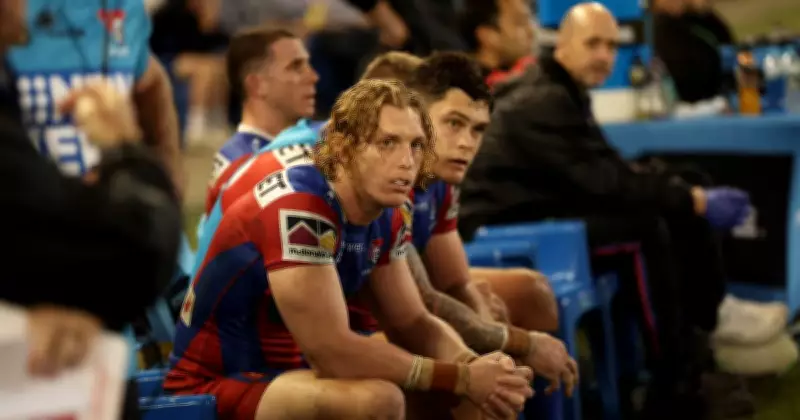
The Knights' first trial match provides early insights, with Gamble named in the No.14 jersey and a 28-man squad selected for the game. Players wearing jerseys 14 to 19 suggest a potential bench lineup for round one, including:
- Tyson Gamble as a playmaker
- Mat Croker as a forward
- Matt Arthur as a genuine hooker
- Pasami Saulo, Brodie Jones, and Cody Hopwood as forwards
This composition hints at a balanced approach, with four forwards, a playmaker, and a hooker, though variations may emerge based on team style and fitness levels. Sea Eagles coach Anthony Seibold has already indicated he will carry emerging playmaker Joey Walsh on the bench, emphasizing development by having him play reserve grade if not starting, a practice other clubs may adopt.
As the NRL season approaches, the expanded bench rule promises to inject fresh intrigue into weekly selections and in-game decisions. For the Knights, it offers Holbrook a strategic toolkit to optimize his lineup in Las Vegas, where the big question remains: how will he leverage this new flexibility to secure victory?