Western Force Captain Details Concussion Protocols and Return to Play Process
In a revealing account, Western Force skipper Jeremy Williams has detailed the stringent concussion protocols and return-to-play procedures that govern rugby union, highlighting the sport's commitment to player safety and recovery. As captain of the Perth-based Super Rugby Pacific team, Williams provides an insider's perspective on the critical measures in place to protect athletes from head injuries.
Concussion Protocols in Rugby Union
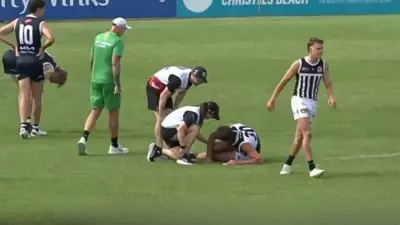
Williams explains that concussion protocols in rugby union are comprehensive and strictly enforced. When a player shows signs of a head injury during a match, they are immediately removed from the field for assessment by medical staff. This initial evaluation includes a series of cognitive and physical tests to determine the severity of the concussion. According to Williams, the protocols prioritize caution, ensuring that no player returns to play until they are fully cleared by healthcare professionals.
The Western Force captain emphasizes that these protocols are not just about immediate safety but also long-term health. Players undergo follow-up assessments in the days after a concussion, monitoring symptoms such as headaches, dizziness, and memory issues. Williams notes that the team's medical staff works closely with each player to tailor recovery plans, which may include rest, gradual physical activity, and cognitive exercises.

Return-to-Play Procedures
The return-to-play process is a gradual and monitored journey, as described by Williams. Once a player is symptom-free, they must pass through several stages before being cleared for full contact. These stages typically include light aerobic exercise, sport-specific training, non-contact drills, and finally, full-contact practice. At each step, medical staff reassess the player to ensure no symptoms recur.
Williams shares that this phased approach is crucial for preventing re-injury and allowing the brain to heal properly. He adds that the Western Force and rugby union governing bodies have implemented these procedures based on extensive research and guidelines from organizations like World Rugby. The captain stresses that player welfare is paramount, and no shortcuts are taken in the return-to-play timeline.
Player Perspectives and Team Support
From a player's viewpoint, Williams acknowledges that concussions can be frustrating, especially for competitive athletes eager to get back on the field. However, he praises the support systems in place, including team doctors, coaches, and fellow players, who encourage adherence to protocols. The Western Force skipper reveals that open communication about head injuries is encouraged within the team, reducing stigma and promoting early reporting of symptoms.
Williams also discusses the educational aspect, where players are regularly informed about concussion risks and prevention strategies. This proactive approach helps foster a culture of safety, where players understand the importance of following protocols for their own well-being and career longevity.
Implications for Rugby Union and Beyond
The detailed account from Jeremy Williams sheds light on how rugby union is addressing head injury concerns, setting an example for other contact sports. By implementing robust concussion protocols and return-to-play procedures, the sport aims to minimize risks and support player health. Williams concludes that while the game is physically demanding, these measures ensure that safety remains a top priority, allowing athletes to perform at their best while protecting their long-term futures.