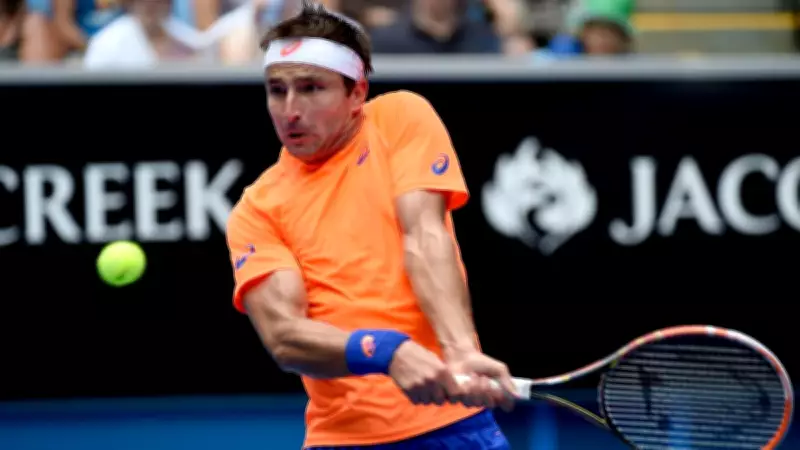
Former Australian Tennis Star Marinko Matosevic Handed Four-Year Ban for Doping Violations
Six weeks after publicly denouncing the International Tennis Integrity Agency as "corrupt," former Australian No.1 Marinko Matosevic has been issued a four-year suspension for multiple doping offences. An independent tribunal concluded that Matosevic committed five anti-doping rule violations between 2018 and 2020, marking a significant fall from grace for the once-prominent player.
Details of the Doping Offences and Tribunal Findings
The tribunal determined that Matosevic engaged in serious breaches, including the use of a prohibited method through blood doping and facilitating another player to undergo blood doping. Additionally, he was found guilty of providing advice to others on how to avoid positive drug tests, as well as the use and possession of the banned substance clenbuterol. Throughout the investigative process, Matosevic denied all charges until he admitted to blood doping in a social media post just before the scheduled hearing.
In his statement, Matosevic, now 40 years old and who reached a career-high world ranking of No.39 in 2013 before transitioning to coaching, expressed regret for his actions. He described receiving a blood transfusion in Mexico in 2018 as a "stupid" decision, which contributed to his retirement shortly afterward, partly due to disgust at his own conduct.

Matosevic's Allegations Against the ITIA and Tribunal Response
Matosevic released a confession letter to Australian tennis website The First Serve last month, where he aimed to warn other athletes about the health risks of doping and to criticize the ITIA's practices. He alleged that the ITIA's process is "corrupt and unjust," accusing them of using threatening tactics and building legal cases based on old photos and text messages. However, the tribunal dismissed these allegations as without merit, stating that the ITIA "acted within the authority conferred" by the Tennis Anti-Doping Protocol.
Independent tribunal chair Michael Heron KC emphasized the severity of Matosevic's actions, noting that his conduct in advising other players "went far beyond passive association and constitute intentional participation" in violating anti-doping rules. Heron added that this behavior "strikes at the integrity of the anti-doping framework," underscoring the broader implications for the sport.
Post-Retirement Career and Impact on Australian Tennis
Since retiring in 2018, Matosevic has been involved in coaching, working with fellow Australian players Chris O'Connell and Jordan Thompson. This ban not only affects his personal standing but also raises questions about his future role in the tennis community. The case highlights ongoing challenges in maintaining integrity within professional sports, particularly in the face of doping scandals.
The four-year suspension serves as a stark reminder of the consequences of anti-doping violations, reinforcing the importance of clean competition in tennis. As the sport continues to grapple with such issues, this ruling may prompt further scrutiny of enforcement mechanisms and athlete education programs to prevent similar incidents in the future.