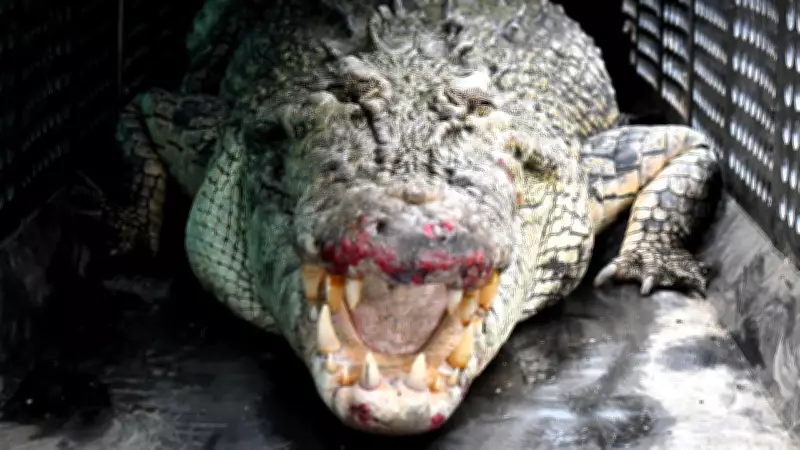
In a world-first initiative, artificial intelligence cameras have been deployed in Queensland to spot crocodiles, aiming to improve safety in regions where these reptiles pose a significant risk to humans. This innovative trial represents a major step forward in using technology to mitigate wildlife threats, particularly in areas frequented by residents and tourists.
Groundbreaking Technology for Enhanced Safety
The AI cameras are strategically placed in high-risk zones across Queensland, where crocodile sightings are common. These devices utilize advanced machine learning algorithms to analyze real-time footage and identify crocodiles with high accuracy. By automating the detection process, the system reduces reliance on manual monitoring, which can be slow and prone to human error.
How the AI System Works
The cameras are equipped with sophisticated sensors that capture continuous video feeds. The AI software processes this data, scanning for specific patterns and shapes associated with crocodiles. When a potential threat is detected, the system can alert authorities immediately, allowing for swift response measures. This technology is designed to operate 24/7, providing constant surveillance even in remote or difficult-to-access locations.

Benefits for Queensland Communities
This trial offers numerous advantages for local communities in Queensland. First, it enhances public safety by providing early warnings of crocodile presence, helping to prevent dangerous encounters. Second, it supports tourism by making outdoor activities safer, which is crucial for regions that rely on visitor revenue. Additionally, the data collected can aid in wildlife conservation efforts, offering insights into crocodile behavior and population dynamics.
Challenges and Future Prospects
While the AI cameras show promise, there are challenges to address, such as ensuring the system's reliability in various weather conditions and minimizing false positives. However, if successful, this trial could pave the way for broader applications, including monitoring other dangerous wildlife or environmental hazards. Experts believe that integrating this technology with existing safety protocols could revolutionize how we manage human-wildlife interactions in Australia and beyond.
Overall, the deployment of AI cameras in Queensland marks a significant advancement in safety technology, blending innovation with practical solutions to protect both people and wildlife. As the trial progresses, it will be closely watched by other regions facing similar challenges, potentially setting a new global standard for wildlife monitoring.