Artificial intelligence safety watchdogs are alerting parents to the growing threat of 'nudification' apps, which use AI algorithms to digitally remove clothing from images of children, creating realistic but fake nude photos. These apps, often marketed as harmless fun or for 'entertainment purposes,' are increasingly accessible and pose serious risks to child safety and privacy.
How Nudification Apps Work
Nudification apps leverage generative adversarial networks (GANs) or similar deep learning models to produce convincing nude images from ordinary photos. Users simply upload a picture, and the AI generates a modified version that appears to show the person without clothes. Many of these apps are available on mainstream app stores or through websites, often with minimal age verification or content moderation.
According to a report by the Internet Watch Foundation (IWF), incidents of AI-generated child sexual abuse material (CSAM) have surged, with nudification apps being a key contributor. The IWF recorded a 150% increase in AI-generated CSAM over the past year, much of it originating from such apps.

Expert Warnings and Parental Guidance
Dr. Mary Aiken, a cyberpsychologist specializing in online child safety, stated: 'Parents need to be aware that these apps are not just a technological novelty; they are a direct threat to their children's dignity and safety. Once a fake image is created, it can be shared, used for blackmail, or permanently damage a child's reputation.'
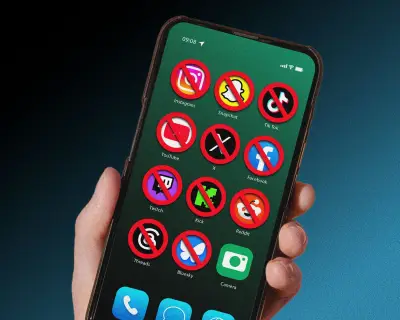
Safety organizations recommend that parents take proactive steps: monitor app usage, discuss online risks with children, use parental controls to block suspicious apps, and report any incidents to authorities. The Australian eSafety Commissioner has also launched an awareness campaign targeting parents, emphasizing that even if children do not use these apps themselves, their photos can be misused by others.
Legal and Policy Responses
Governments are beginning to respond. In the United Kingdom, the Online Safety Bill includes provisions to criminalize the creation and distribution of AI-generated CSAM. Australia's eSafety Commissioner is pushing for similar measures, calling for app stores to enforce stricter vetting processes. However, enforcement remains challenging as developers often operate across borders and update apps to evade detection.
Tech companies are also under pressure. Meta and Google have removed some nudification apps from their platforms, but many remain available through alternative channels. Critics argue that more robust AI detection tools and mandatory reporting mechanisms are needed.
Long-Term Implications
The rise of nudification apps is part of a broader trend of AI-enabled abuse, including deepfake pornography and voice cloning. Experts warn that as AI technology becomes more sophisticated and accessible, the potential for harm grows. Parents are urged to stay informed and engage with their children about digital literacy and the permanence of online content.
The IWF's report highlights that the majority of victims in AI-generated CSAM are girls aged 11–13, with images often sourced from social media profiles. The organization calls for a multi-stakeholder approach involving tech companies, law enforcement, and educators to combat this evolving threat.