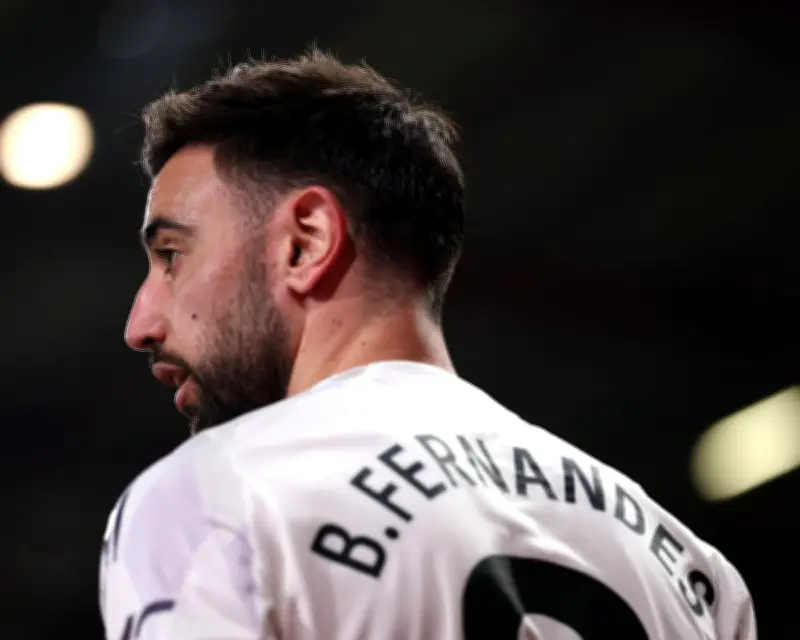
Manchester United midfielder Bruno Fernandes has become the latest high-profile footballer to fall victim to a sophisticated deepfake scam, with a fabricated video appearing to show him endorsing an unlicensed betting operator. The incident underscores the alarming rise of artificial intelligence-generated fraud targeting the sports industry.
The Deepfake Incident
The deepfake video, which circulated on social media platforms, featured Fernandes seemingly promoting a betting platform called 'Vai de Bet'. However, the Portuguese international confirmed that the footage was entirely fabricated, created using AI technology to superimpose his likeness and voice onto a script he never recorded.
Fernandes took to his official social media accounts to warn fans and followers about the scam. 'I am aware of a fake video that has been circulating online, falsely claiming that I endorse a betting company. This is not true. I have never had any association with this platform, and the video is a deepfake created without my consent,' he stated.

Growing Threat of AI Fraud
This case is part of a broader trend of deepfake scams targeting athletes and celebrities. According to a report by the cybersecurity firm Deeptrace, the number of deepfake videos online has doubled every six months since 2018, with a significant portion used for fraudulent endorsements or disinformation.
Sports marketing expert Dr. Sarah Jenkins commented, 'Deepfakes are becoming increasingly sophisticated and harder to detect. They pose a serious threat to the integrity of endorsements and can cause reputational damage to athletes who are falsely associated with products or services.'
Impact on Fernandes and Football
The scam not only affects Fernandes personally but also raises concerns for the football industry. Unlicensed betting operators often target football fans, and using a deepfake of a star player like Fernandes adds a layer of false credibility. The Premier League has previously warned players about the risks of deepfake technology, urging them to monitor their digital presence closely.
Fernandes' management team has reported the incident to the relevant authorities and is working to have the video removed from platforms. 'We are taking this matter very seriously. Legal action will be pursued against those responsible for creating and distributing this fraudulent content,' a spokesperson said.
How to Spot a Deepfake
Experts advise that deepfakes can sometimes be identified by unnatural facial movements, inconsistent lighting, or audio that doesn't sync perfectly with lip movements. However, as AI technology improves, these telltale signs become less apparent. The best defense is for public figures to proactively disavow any unauthorized content and for fans to verify endorsements through official channels.
The Fernandes deepfake is a stark reminder that in the age of AI, seeing is no longer believing. As the technology evolves, so too must the vigilance of athletes, clubs, and fans alike.