AI teddy bears are emerging as the latest toy trend in Perth, but a new study is urging parents to exercise caution. The cuddly ChatGPT-powered ChattyBear, equipped with infinite conversations and a human-like voice, is gaining popularity among children as young as three. However, research from Curtin University and the Australian Research Council Centre of Excellence for the Digital Child highlights serious concerns regarding children's privacy and development, warning that these issues are being overlooked by AI companies and Australian policymakers.
Research Findings and Expert Warnings
Lead author and Curtin University professor Tama Leaver stated, “Many AI companions and toys are deliberately designed to sound human and build emotional connections with children. While that can make them engaging, it also creates challenges around trust, privacy and children’s understanding of what these technologies actually are. The toys feel like they’ve been rushed to market to take advantage of the interest in AI. It doesn’t feel like they are particularly safe.”
Prices for these toys range from $60 to over $300, with the ChattyBear ChatGPT smart learning plushie selling online for $87 to $120. Most local toy stores are avoiding them until established brands like Mattel, Hasbro, and ZURU approve them.

Retailer and Parent Concerns
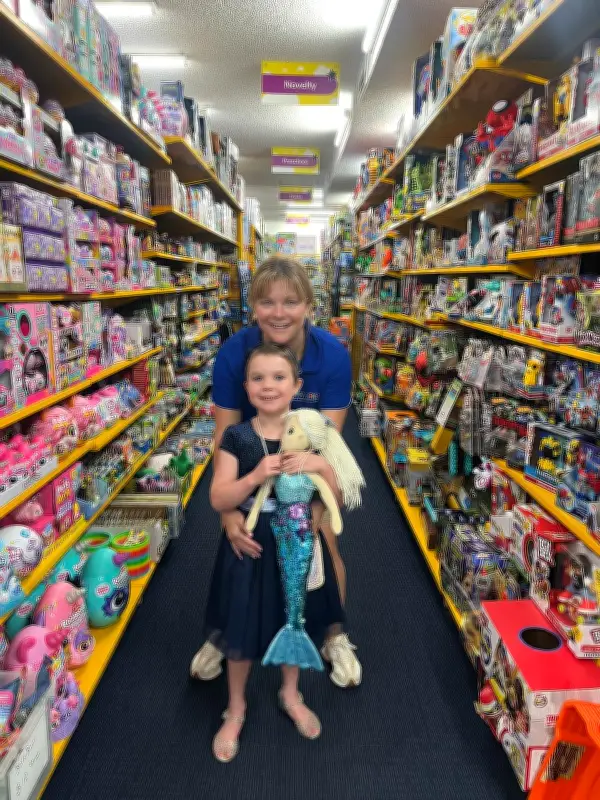
Stephanie Finlay, co-owner of Toyworld stores in Claremont and Fremantle, said, “I would only be trusting these kind of products if they hit the market from reputable toy brands. I would not be interested in anything coming off sites like Amazon and Temu. We’re still in the developmental phases of all this AI information. Who is choosing what information is being set and what’s being stored? How much will be fact or opinion?” Toyworld has not seen demand for AI toys and has no plans to stock them.
As a mother of two children aged four and six, Finlay added, “In my opinion, they’re not adding to the play value. I enjoy toys where kids can expand their minds. As a mother, I’d rather my children ask me questions than ask the toy. I’m not against toys using technology … but I would not be giving my children uninterrupted access to something that can access the world with the sound of your voice. As a toy store owner, I wouldn’t be selling products that I wouldn’t put in front of my children.”
Study Methodology and Key Issues
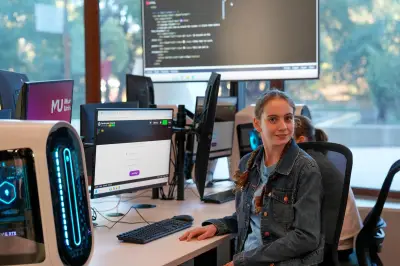
Researchers from Curtin University interacted with six different AI teddy bears and toys over several months, simulating children's questions to test safety limits. A major concern was the human-sounding features creating an artificial sense of intimacy. For example, ChattyBear begins every conversation with “hello, my buddy!” and presents itself as a trusted friend.
Professor Leaver warned about the impact on early childhood development: “If a four-year-old is having a lot of their social interactions with an AI bear designed to always agree with them and be highly sycophantic, what does it mean to have a toy that is always available when you want it on your terms, that you don’t ever have to learn conflict resolution with? For really young kids, the difference between talking to a machine and talking to a living thing is a much harder line to draw.”
The toys also enabled endless discussions on various topics, including how to find knives and start fires. “Most of the toys have a basic … list of keywords and topics they’re meant to avoid,” Professor Leaver said. “The more expensive ones have much higher bars for safety, so they really don’t want to talk about current affairs or politics, whereas some of the others are quite happy to access the internet through the model and discuss what’s going on. We also found that while direct questions might get deflected, the way a child might ask about something isn’t often fully accounted for.”
Market Growth and Regulatory Gaps
AI toys are marketed as educational alternatives to reduce screen time, but Professor Leaver said parents are buying into the hype without understanding the risks. Recent eSafety estimates suggest nearly 80% of children aged 10 to 17 have used an AI companion or assistant, and Australia’s AI toy market is expected to surge by over 400% by 2035. However, policy gaps allow these toys to sell unregulated.

“Unfortunately, the level of detail beyond the packaging and marketing materials is incredibly thin, so even if they say ‘child safe’, they don’t explain to you how they’ve made this thing child safe,” Professor Leaver noted. “I don’t even think legislators would know exactly how to make those rules. Australia’s been fairly timid on AI regulation, and the idea of regulating AI toys for kids feels like it’s a fairly long way off. Privacy policies around these are really hard to understand, because they’re definitely keeping a copy of young people’s private data, and it seems that conversation could be used to train the next language model.”
Recommendations for Parents
While AI toys may offer benefits, Professor Leaver advises caution: “It’s perfectly reasonable to want to experiment with these toys, but we would never recommend it being unsupervised play. Learning about how technology and AI works is a really important skill to develop, but it’s the unknowability — the fact that we simply don’t know what these toys will say, and what sort of information it may or may not provide.”