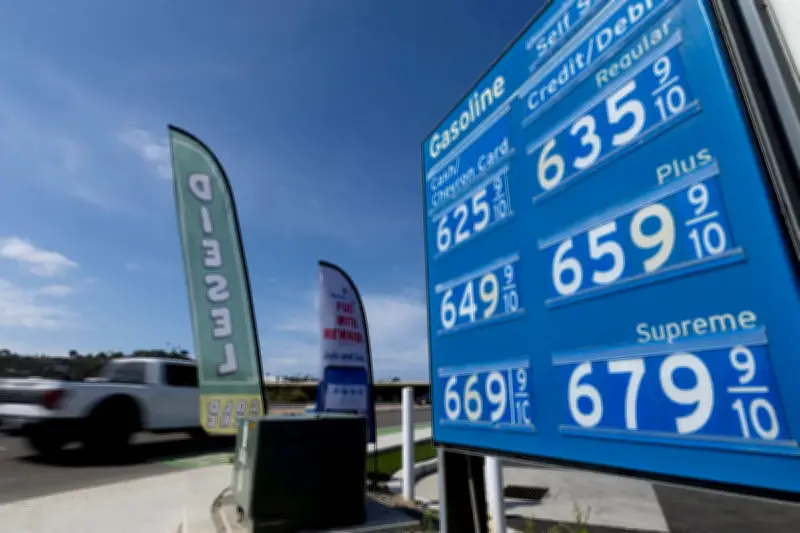
A proposed class action lawsuit filed in California federal court accuses several major gas station chains of using an artificial intelligence pricing algorithm to fix prices and overcharge consumers. The lawsuit, filed on Tuesday in the U.S. District Court for the Northern District of California, alleges that the defendants engaged in a price-fixing conspiracy by adopting a common AI-driven software that analyzes competitors' prices and adjusts their own in real time to keep prices artificially high.
Allegations of AI-Powered Collusion
The complaint names Chevron, Shell, ExxonMobil, and other operators of hundreds of gas stations across California as defendants. It claims that between 2021 and 2024, these companies used a pricing algorithm developed by a third-party company, which allowed them to share non-public pricing data and coordinate price increases. According to the lawsuit, the algorithm enabled the defendants to “stabilize, raise, and fix” gasoline prices at the pump, resulting in billions of dollars in overcharges for California drivers.
Consumer Impact and Legal Basis
The lawsuit seeks to represent all California residents who purchased gasoline from any of the defendant gas stations during the alleged conspiracy period. It estimates that the overcharges amount to at least $1.5 billion. The plaintiffs allege violations of the Sherman Antitrust Act and California’s Cartwright Act, which prohibit price-fixing and collusion. “This is a clear case of companies using technology to circumvent competition and cheat consumers,” said the lead attorney for the plaintiffs, according to the filing.

Algorithmic Pricing Under Scrutiny
The case highlights growing concerns about the use of AI in pricing, particularly in industries where competitors use the same algorithm. Critics argue that such practices can facilitate tacit collusion without explicit communication, making it harder to detect and prove. The lawsuit alleges that the algorithm’s design encouraged “conscious parallelism” among the defendants, effectively replacing competitive pricing with coordinated behavior.
Defendants Respond
Representatives for Chevron and Shell denied the allegations, stating that their pricing decisions are made independently and in compliance with the law. “We compete vigorously in the market, and our pricing practices are lawful,” a Chevron spokesperson said in a statement. ExxonMobil declined to comment on the pending litigation. The algorithmic pricing company, also named as a defendant, did not immediately respond to requests for comment.
Broader Implications
If successful, the lawsuit could set a precedent for how antitrust laws apply to algorithmic pricing. Legal experts note that existing laws were written before the advent of AI, and courts may need to clarify when the use of a common algorithm constitutes illegal collusion. “This case could redefine the boundaries of price-fixing in the digital age,” said a professor of antitrust law at Stanford University, who is not involved in the case. The plaintiffs are seeking damages, injunctive relief, and a court order requiring the defendants to cease using the algorithm.