Mobile Networks Transformed into Sensors to Predict Australian Floods
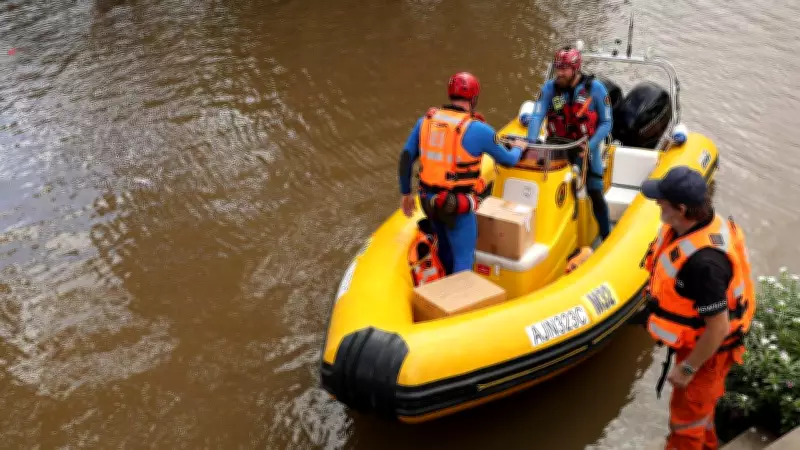
Australia, famously described by poet Dorothea Mackellar as a land "of droughts and flooding rains," continues to face unpredictable and devastating floods that often catch communities off guard. While the Bureau of Meteorology provides general storm forecasts, it lacks the precision to pinpoint exact locations, timing, and water volumes of flood events. However, a revolutionary new technology developed by the TPG-UTS Network Sensing Lab is set to change that, transforming mobile networks into integrated sensors for real-time flood detection and prediction.
World-First Flood-Sensing Technology
Established in 2024, the partnership between the University of Technology Sydney (UTS) and TPG Telecom combines academic research with Vodafone's mobile network infrastructure to create a cutting-edge flood-sensing system. Distinguished Professor Jay Guo, director of the lab, hailed the technology as "revolutionary," noting it emerged from a request by the NSW State Emergency Service (SES) to predict flash flooding more accurately.
In a compelling example, the lab analyzed the catastrophic Lismore floods of 2022 and found that if this technology had been operational, it could have predicted the magnitude and scope of the event. This would have provided invaluable information to residents and emergency responders, potentially saving lives and reducing damage.

How the Technology Works
Des Ward, general manager of the TPG-UTS Network Sensing Laboratory, explained the innovative approach: "We provide the network infrastructure and radio engineering resources that allow researchers to analyze radio signals in real minutiae, so they are able to determine differences in environmental changes." Essentially, the system uses mobile networks in a novel way, detecting subtle shifts in radio signals caused by environmental factors like rising water levels.
This enables the network to offer real-time data as disasters unfold, predicting impacts such as infrastructure damage, power outages, and the need for generators. Ward emphasized, "People need information leading up to a disaster, during and after the event. We play a role in that," highlighting the technology's goal of enhancing preparedness for both residents and first responders.
Future Implementation and Testing
Although the technology has proven effective in field tests, further validation is required before widespread deployment. It is expected to become available within three to five years, offering a proactive tool for disaster management across Australia. This advancement represents a significant step forward in leveraging existing infrastructure—like mobile networks—to address the growing challenges of extreme weather events in a country prone to natural disasters.