

Discovery of a Lost City
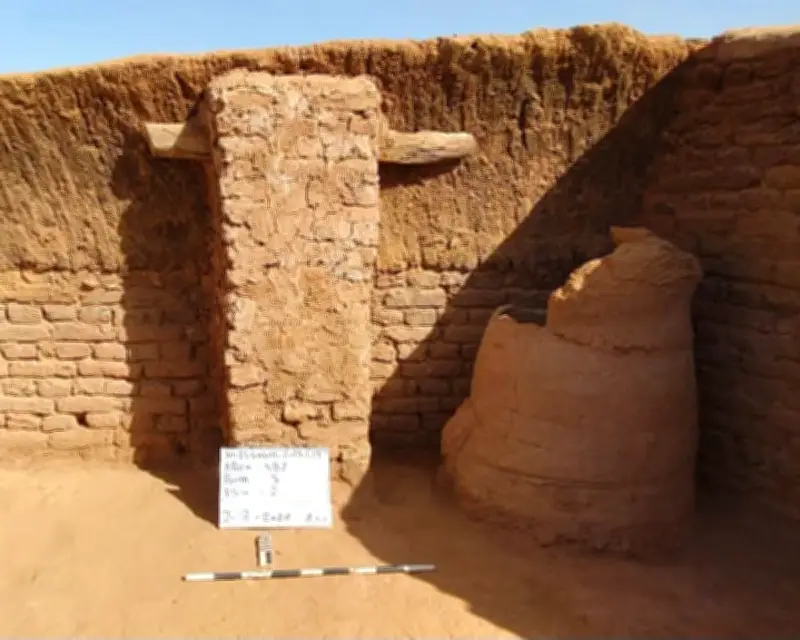
Archaeologists have uncovered the remains of an ancient Byzantine city in Egypt's Western Desert, a find that promises to reshape understanding of the region's historical significance. The excavation, led by a team from the Egyptian Ministry of Tourism and Antiquities, revealed structures, streets, and artifacts dating back to the 5th century AD.
Details of the Excavation
The site, located near the Dakhla Oasis, spans approximately 10 hectares. Among the findings are a church, residential buildings, and a series of workshops, indicating a thriving community. Pottery shards and coins suggest the city was part of a trade route linking the Nile Valley to the Sahara.
Historical Context
Dr. Mustafa Waziri, Secretary-General of the Supreme Council of Antiquities, stated, "This discovery highlights the extent of Byzantine influence in the region and offers a glimpse into daily life during that era." The city is believed to have been inhabited from the 4th to the 7th centuries, before being abandoned.

Impact on Archaeological Research
The find provides valuable evidence of settlement patterns in the Western Desert, an area often overlooked in Byzantine studies. Researchers hope to uncover more about the city's economy and its connections to other Byzantine centers. The team plans to continue excavations, aiming to preserve the site for future study.