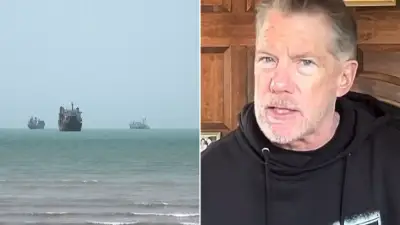

Iran has formally rejected a United Nations-backed plan to salvage two oil tankers that have been trapped in the Strait of Hormuz since early June, according to diplomatic sources. The decision deepens a standoff that threatens to disrupt global oil shipments through one of the world's most strategic maritime chokepoints.
Background of the Incident
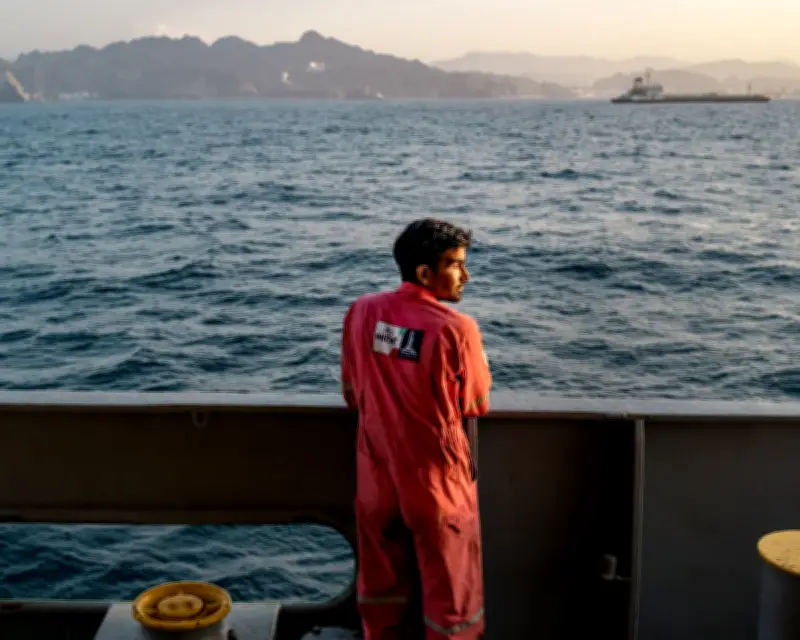
The two vessels, the Panamanian-flagged Mountain Glory and the Liberian-flagged Sea Horizon, became stuck after a collision near the Iranian port of Bandar Abbas on June 2. Initial reports indicated that both ships suffered engine failures and were subsequently stranded in the narrow waterway, which handles about 20% of the world's oil supply. Iran's coast guard initially offered assistance, but later accused the tankers of violating environmental regulations.
The UN-backed plan, proposed by the International Maritime Organization (IMO) and supported by several Gulf states, called for a coordinated salvage operation involving tugboats and specialized equipment. The operation was estimated to cost $15 million and would have taken approximately two weeks to complete.

Iran's Objections
Iran's Foreign Ministry spokesman Nasser Kanaani stated on Monday that the proposal was "unacceptable" because it did not address Tehran's concerns about the vessels' alleged environmental violations. "These ships have caused pollution in Iranian waters, and any resolution must include compensation and a guarantee that such incidents will not recur," Kanaani said. He added that Iran would only consider alternative plans that respect its sovereignty and legal jurisdiction.
According to a senior Iranian official who spoke on condition of anonymity, Iran is also wary of foreign military involvement in the salvage effort. The presence of US Navy vessels in the region has heightened tensions, with Iran viewing any external intervention as a threat to its national security.
Impact on Global Shipping
The rejection has raised fears of a prolonged closure of the Strait of Hormuz, which could drive up oil prices and disrupt supply chains. Already, shipping insurance premiums for vessels transiting the strait have increased by 30% since the incident, according to industry data. The stranded tankers are blocking one of the two main shipping lanes, forcing other vessels to navigate through narrower and more hazardous routes.
Oil prices edged up by 2% on Monday following the announcement, with Brent crude trading at $78.50 per barrel. Analysts warn that if the situation continues, it could lead to a significant spike in energy costs, particularly for Asian economies that rely heavily on Middle Eastern oil.
International Reactions
The United States condemned Iran's decision, with State Department spokesperson Matthew Miller calling it "a reckless act that endangers maritime security and the global economy." He urged Iran to engage constructively with the IMO to resolve the issue. Meanwhile, the European Union expressed "deep concern" and called for a swift resolution to avoid further escalation.
The IMO confirmed that it is reviewing Iran's objections and is exploring alternative proposals, including a bilateral salvage agreement between Iran and the shipowners. However, no timeline has been set for a new plan.
Strategic Implications
The standoff underscores the volatile geopolitics of the Strait of Hormuz, where Iran has previously threatened to block the waterway in response to sanctions or military pressure. The current incident could further strain relations between Iran and Western nations, complicating ongoing nuclear negotiations. For now, the two tankers remain stranded, with their crews of 44 sailors still aboard, while the world watches for the next move in this high-stakes maritime drama.