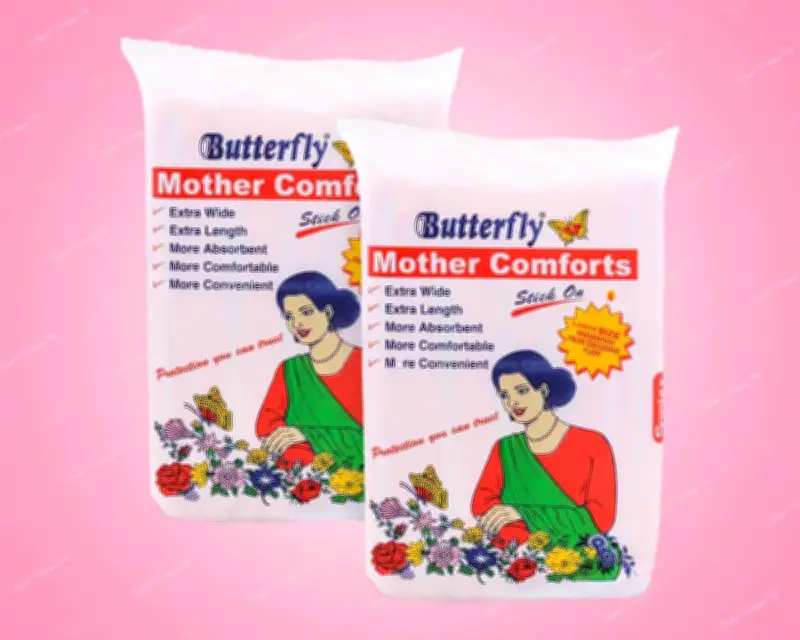
Pakistan has abolished the tax on sanitary products, a move hailed as a significant step towards improving menstrual hygiene and gender equality. The announcement was made by the country's minister, who stated that the tax removal would make sanitary pads and other menstrual products more affordable for women across the nation.
Background of the Tax
The tax on sanitary products, often referred to as the "period tax," had been a subject of criticism from activists and women's rights groups. They argued that taxing essential hygiene products was discriminatory and placed an unfair financial burden on women, particularly those from low-income backgrounds. The tax abolition follows years of campaigning by advocacy groups who highlighted the link between affordability of sanitary products and women's health, education, and economic participation.
Impact on Women and Girls
The removal of the tax is expected to have a profound impact on women and girls in Pakistan. Studies have shown that the high cost of sanitary products can lead to girls missing school during their periods, affecting their education and future opportunities. By making these products more affordable, the government aims to reduce period poverty and ensure that women and girls can manage their menstrual health with dignity.

Activists have welcomed the decision, calling it a "victory for women's rights." However, they also emphasize that more needs to be done to address the broader issues of menstrual health, including access to clean water, sanitation facilities, and education about menstrual hygiene.
Government's Stance
The minister described the tax abolition as a reflection of the government's commitment to women's empowerment and public health. "This is a step towards a more equitable society where no woman or girl is held back by her biology," the minister said. The government is also exploring other measures to support women's health, including subsidies for sanitary products and awareness campaigns.
The decision aligns with global trends where several countries have reduced or eliminated taxes on sanitary products. It also comes ahead of International Menstrual Hygiene Day, which is observed annually on May 28 to break the stigma around menstruation and promote better hygiene practices.