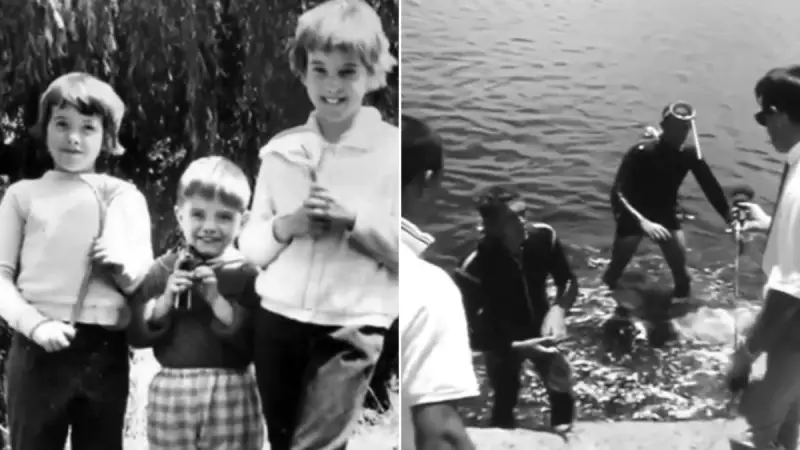
Australia is solemnly marking sixty years since the heartbreaking disappearance of the Beaumont children, a case that continues to stand as one of the nation's most painful and enduring unsolved mysteries. On January 26, 1966, nine-year-old Jane Beaumont, her seven-year-old sister Arnna, and their four-year-old brother Grant left their family home in Somerton Park for what should have been a brief summer outing to Glenelg Beach. This was a familiar trip the trio had undertaken many times before, and they were expected to return home by early afternoon.
Tragically, the children never came back. Their disappearance triggered one of the largest and most exhaustive investigations in Australian history. Police officers, dedicated volunteers, and concerned everyday South Australians combed through beaches, sand dunes, drainage systems, and suburban areas across Adelaide. Thousands of potential leads were meticulously pursued, dozens of suspects were scrutinised, and the case dominated national headlines for years on end.
Despite this enormous and sustained effort, no trace of the three children was ever discovered. No one has seen Jane, Arnna, or Grant Beaumont since that fateful Australia Day in 1966. The profound impact of their vanishing reshaped Australian society, fundamentally altering how parents supervised children in public spaces, influencing policing practices across the country, and becoming a defining moment in South Australia's social history.

A Criminologist's Perspective on the Enduring Mystery
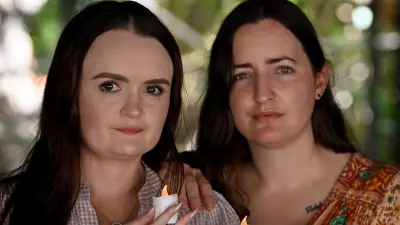
Criminologist and clinical forensic psychologist Dr Brianna Chesser from RMIT University notes that the passage of six decades makes the likelihood of a breakthrough increasingly slim. "Almost 60 years have passed since the Beaumont children disappeared, and it is unlikely they would still be alive after all this time," she explained. "Given the available evidence, it is probable the person who took them was someone they knew. Several witnesses reported seeing the children with a man they appeared comfortable and familiar with."
Dr Chesser emphasised that the absence of a confession or new, credible evidence remains the most significant barrier to finally solving this haunting case. "There have been many persons of interest over the decades, but without fresh information we may never have definitive answers about what truly happened," she stated. She highlighted how this tragedy fundamentally changed Australian attitudes toward child safety. "This is one of those pivotal crimes that shaped Australia as a nation. Community attitudes shifted dramatically; the idea of three young children going to the beach alone now seems utterly unthinkable."
The Ongoing Reality of Child Disappearances
While investigative tools and technologies have evolved significantly, Dr Chesser warns that child disappearances remain a distressing reality in contemporary Australia. "Children are among the most vulnerable groups in our community. Advances in technology and monitoring have changed how these crimes are investigated, but that doesn't mean children don't still go missing," she noted.
"Each year, approximately 25,000 missing child reports are made across Australia, with the vast majority resolved within 24 hours. However, about 130 new cases are added annually to the long-term missing persons list, though only a small fraction involve children who vanished when they were very young." Dr Chesser explained that cases like the Beaumont mystery continue to grip the public imagination because they tap into a universal human response. "These cases attract enormous public interest because they involve large-scale appeals for help and information. On a fundamental human level, we all yearn for the safe return of a missing child, and in this instance, three children. We empathise deeply with the parents and families left behind, enduring unimaginable grief."
Jim and Nancy Beaumont, the children's parents, spent their entire lives hoping for a breakthrough. They both died without ever learning what happened to Jane, Arnna, and Grant. Their quiet dignity and enduring sorrow remain among the most poignant elements of this national tragedy.

Persons of Interest and Exhaustive Searches
Over the decades, several persons of interest emerged in connection with the case. Among them was Adelaide businessman Harry Phipps, the former owner of the Castalloy factory site at North Plympton. His name became prominently linked to the investigation after brothers Robin and David Harkin claimed they were paid as teenagers to dig a "grave-like hole" at the factory just days after the children vanished.
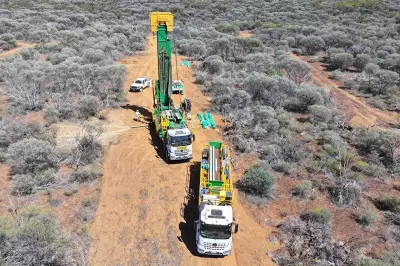
Their account reignited intense interest in the site and led to multiple searches, including the most extensive excavation conducted in 2025. This search was undertaken before the government-owned land was redeveloped into housing and was widely regarded as the last realistic opportunity to thoroughly examine the location. Investigators uncovered a section of cement-stabilised sand that initially appeared unusual, prompting further expert analysis. Specialists later determined the material was likely added after 1966. No human remains or items linked to the Beaumont children were found during this operation.
Former South Australian police detective Bill Hayes, who assisted with the search, clarified the investigation's focus. "We never stated definitively that the children were placed in the hole," he said at the time. "We simply know the hole was dug three days after the children were taken, and we needed to understand why it was created." The 2025 excavation followed earlier searches conducted in 2013 and 2018, both of which also concluded without any significant findings.
Despite six decades of relentless investigation, renewed leads, and intense public interest, the ultimate fate of Jane, Arnna, and Grant Beaumont remains shrouded in mystery. Australia continues to remember this case not only for its unsolved nature but for the profound societal changes it inspired regarding child protection and community vigilance.