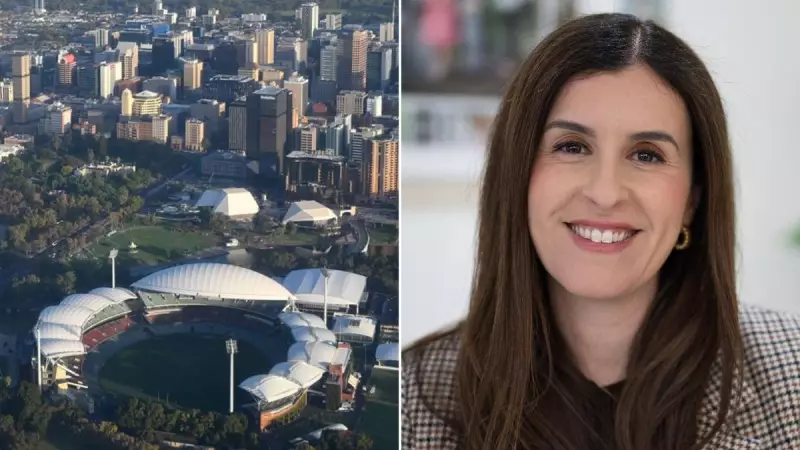
The Adelaide Festival is embroiled in a significant controversy and facing a growing boycott after its decision to remove a prominent Palestinian-Australian author from the upcoming Adelaide Writers' Week program. The move has ignited fierce accusations of racism and censorship within Australia's literary community.
A Wave of Withdrawals and Accusations of Censorship
The crisis began when the Adelaide Festival Board decided to drop Dr. Randa Abdel-Fattah from her scheduled appearance at next month's event. The board stated it had "formed the view that it would not be culturally sensitive" to feature her so soon after the Bondi Beach terror attack in December, while stressing it did not suggest any link between Abdel-Fattah and the atrocity.
This justification was met with immediate and widespread condemnation. In a powerful response on social media, Abdel-Fattah labelled the decision a "blatant and shameless act of anti-Palestinian racism and censorship." She argued the board reduced her to an object for projecting racist fears, suggesting her mere presence as a Palestinian was deemed threatening.

Her stance has galvanised numerous fellow writers. A notable list of authors has withdrawn from the festival in protest, including:
- Melissa Lucashenko
- Michelle de Kretser
- Bri Lee
- Yanis Varoufakis
- Peter Greste
- Evelyn Araluen
- Amy Remeikis
- Amy McQuire
- Clare Wright
Authors and Sponsors Take a Stand
Writer and lecturer Jane Caro, who also pulled out, framed the decision as an attack on the core principles of writers' festivals. "I am opposed to censoring any writer who deals with complex and controversial issues forthrightly," Caro said. She added that rising authoritarianism thrives on controlling ideas and she refused to participate in it.
The backlash extended beyond individual authors. The Australia Institute, a prominent policy think tank, announced it was withdrawing its support and sponsored events from the literary festival. In a statement, the institute said "censoring or cancelling authors is not in the spirit of an open and free exchange of ideas," values it had previously valued the event for promoting.
Abdel-Fattah revealed this was not an isolated incident, noting she and about 50 other writers withdrew from the Bendigo Writers Festival last year over similar censorship concerns. She explicitly called on authors to boycott Adelaide Writers' Week in solidarity.
Festival's Response and Lasting Repercussions
The Adelaide Festival Board acknowledged its decision would "cause discomfort and pressure to other participants" and stated the choices were not made lightly. In a move likely aimed at managing future controversy, the board has established a sub-committee to oversee decisions related to the writers' festival.
However, this has done little to quell the anger. The festival now confronts a severely diminished program with key participants and a major sponsor gone. The incident raises profound questions about cultural sensitivity, free speech, and the perceived racial profiling of authors based on their heritage amidst global conflicts.
The fallout continues to unfold, casting a long shadow over one of Australia's premier literary events and setting a contentious precedent for how cultural institutions navigate complex political and social tensions.