Amidst a backdrop of global and domestic racial tensions, Canberra residents came together in a vibrant celebration of cultural diversity during the 28th National Multicultural Festival over the weekend. The free event, held in the heart of the capital, transformed streets into a bustling tapestry of international flavours, sounds, and traditions.
A Feast for the Senses
The festival offered a sensory overload with the aroma of meat roasting on Greek foukou grills mingling with the sounds of Chinese opera whistles and Serbian folk music. Stalls lined the pathways, offering everything from Bhutanese dumplings and Serbian sausages to authentic Pad Thai and Sri Lankan ice tea. Colourful performances, including Chinese dragon dances and traditional folklore acts, added to the lively atmosphere.
Personal Stories of Cultural Pride
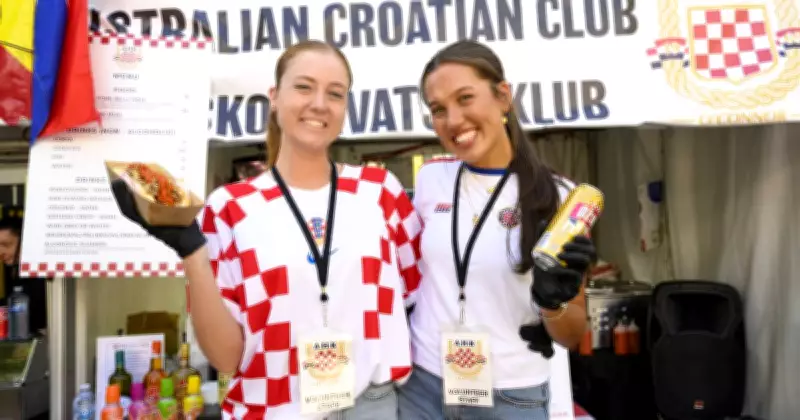
Volunteers and participants shared heartfelt stories about their heritage and connection to Australia. Ariana Jurkovic, volunteering for the Australian Croatian Club, emphasised the importance of embracing multiculturalism. "My grandparents came here from Croatia, gave us a home, gave all these people a home, and so I think we need to embrace it and embrace Australia for it," she said. "Canberra needs to embrace all the cultures. We love multiculti, it's the best thing that happens in Canberra."

Igor, a performer with Serbian Folklore Canberra who moved to Australia as a refugee from Sarajevo, expressed pride in his dual identity. "We are very proud of who we are, in terms of our heritage and culture. Obviously we are 100 per cent Australian, we've integrated properly, but we live in two spaces, two cultures ... we have the best of both worlds," he explained. He also joked about the culinary delights, noting, "I literally will gain 10 kilograms from this weekend."
Promoting Understanding and Exchange
Ayesha Suraweera, promoting Sri Lankan tea and tourism, highlighted the festival's role in fostering mutual understanding. "Australia is multicultural [and] multireligious, so this kind of thing is really important to share cultures, share traditions with each other," she said, having moved to Canberra just a year ago. The event served as a platform for cultural exchange, with many attendees exploring traditions beyond their own through interactive experiences.
Weekend Highlights and Inclusive Spaces
The festival continued on Sunday with a packed schedule featuring parades, live music, cooking demonstrations, and artistic performances. Key attractions included the Scottish Australian Heritage Council Showcase, a Jamaican Jerk Chicken cooking demo, the Manquehue Chilean Folk Dance group, and energetic Rio Samba performances.
Recognising the need for respite, organisers provided senior, family, and neurodivergent spaces at the Civic Library and Canberra Museum. These areas offered a quiet break from the festival's vibrant colours, sounds, and smells, ensuring accessibility for all attendees.
This annual event underscores Canberra's commitment to inclusivity and cultural harmony, bringing together communities to celebrate the rich tapestry of backgrounds that define the Australian capital.