Historic Grave of Lighthouse Keeper's Wife Reburied on Remote Island
In a poignant effort to preserve maritime heritage, the grave of a 19th-century lighthouse keeper's wife on a remote island has been saved from the encroaching sea through a careful reburial project. This significant historical site, which had been threatened by coastal erosion, has now been secured for future generations, highlighting the dedication to conserving Australia's rich past.
Background of the Grave
The grave belongs to the wife of a lighthouse keeper who served on the island during the 1800s, a time when such remote postings were crucial for navigation and safety along the coast. The site had become increasingly vulnerable to erosion from the sea, risking the loss of this important piece of history. The reburial initiative was undertaken to protect the grave from further damage, ensuring that the memory of those who lived and worked in these isolated locations is not forgotten.
Details of the Reburial Project
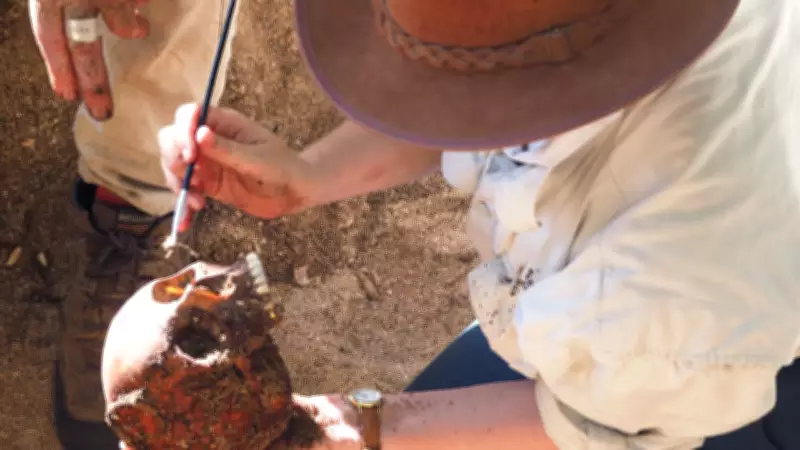
The reburial project involved meticulous planning and execution by a team of experts, including archaeologists and conservationists. The grave was carefully excavated, and the remains were relocated to a safer, more stable location on the island. This process not only prevented the grave from being lost to the sea but also allowed for a respectful and dignified reburial, honoring the historical significance of the individual and the era.

Key aspects of the project included:
- Assessment of erosion risks and site stability
- Coordination with local authorities and heritage organizations
- Use of appropriate techniques to preserve historical integrity
- Community involvement to raise awareness about maritime history
Importance of Preserving Maritime History
This reburial underscores the broader importance of protecting Australia's maritime heritage, which includes lighthouses, shipwrecks, and the stories of those who maintained them. Remote islands like this one often hold untold histories that are vital to understanding the nation's development and the challenges faced by early settlers and workers. By saving such sites from natural threats, we ensure that these narratives continue to be shared and appreciated.
The successful reburial serves as a model for similar conservation efforts across the country, demonstrating how proactive measures can safeguard historical landmarks against environmental changes.
Future Implications and Community Response
The project has garnered positive feedback from the local community and heritage enthusiasts, who see it as a crucial step in preserving cultural identity. It also highlights the need for ongoing monitoring and maintenance of historical sites in remote areas, which are often overlooked due to their isolation. Moving forward, similar initiatives may be encouraged to protect other vulnerable graves and structures, ensuring that Australia's maritime legacy remains intact for years to come.
In conclusion, the reburial of the lighthouse keeper's wife's grave is a testament to the commitment to historical preservation, blending respect for the past with practical solutions to modern challenges. This effort not only saves a physical site but also enriches our collective memory of the pioneering spirits who shaped the nation's coastal history.