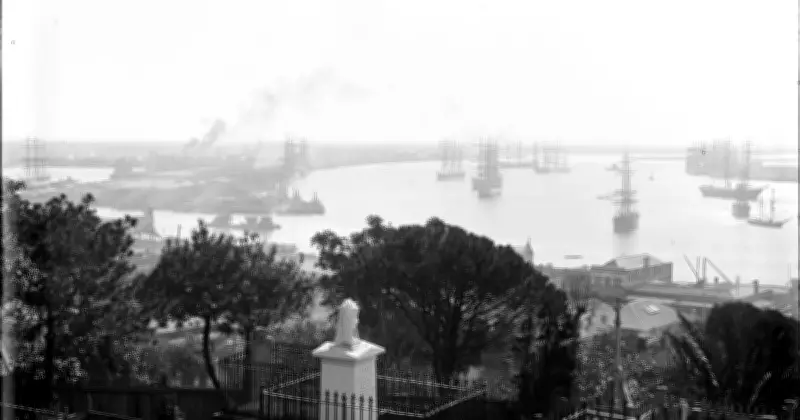
A newly digitized archive of photographs by Ralph Snowball, a pioneering photographer from Newcastle, has unveiled a treasure trove of unseen images that capture the city's rich history from the late 19th and early 20th centuries. The collection, now available online, offers a unique glimpse into the region's industrial past, including coal mining, shipping, and the daily lives of its residents.
Who Was Ralph Snowball?
Ralph Snowball (1864–1920) was a Newcastle-based photographer who documented the city's transformation from a small colonial outpost into a bustling industrial hub. His work includes over 3,000 glass plate negatives, many of which have never been publicly displayed. Snowball's photographs are renowned for their technical quality and historical significance, capturing everything from major infrastructure projects to intimate family portraits.
The Digital Archive
The new archive, a collaboration between the University of Newcastle and the Newcastle Region Library, has digitized hundreds of Snowball's negatives, making them accessible to the public for the first time. The collection includes images of coal mines, shipyards, railways, and street scenes, as well as portraits of Indigenous Australians and early settlers. According to project lead Dr. Emily Wilson, 'These photographs are a window into a bygone era, showing the grit and determination of the people who built Newcastle.'

Highlights of the Collection
- Coal Mining: Rare images of miners at work, including underground scenes and the development of the coal industry that drove the region's economy.
- Maritime History: Photographs of ships, wharves, and the bustling port, illustrating Newcastle's role as a major shipping hub.
- Everyday Life: Candid shots of families, children, and workers, offering a personal perspective on life in early 20th-century Newcastle.
- Architecture: Images of buildings, many of which no longer exist, documenting the city's architectural evolution.
Preserving Local History
The digitization project is part of a broader effort to preserve Newcastle's cultural heritage. The archive is free to access and includes high-resolution images for researchers, historians, and the general public. 'We hope this collection will inspire a new appreciation for Newcastle's history and encourage people to explore their own family stories,' said Dr. Wilson.
Community Response
Local historians and community members have praised the archive for its depth and accessibility. 'It's like finding a time capsule,' said Newcastle historian John Smith. 'These images bring history to life in a way that textbooks cannot.' The archive has already sparked interest in family history research, with many people discovering photographs of their ancestors.
The Ralph Snowball archive is available online through the Newcastle Region Library website.