

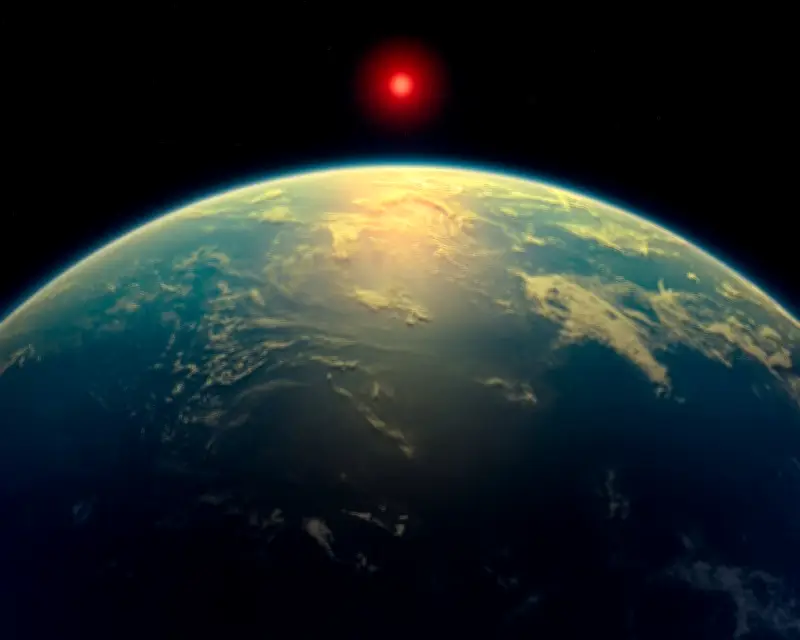
The oceans are running a fever, and it's getting worse. As the planet warms due to climate change, our seas are absorbing the vast majority of this excess heat. This has profound implications for marine ecosystems and for the billions of people who depend on the ocean for food, livelihoods, and protection.
The Unprecedented Warming of Our Oceans
Recent data shows that ocean temperatures have reached record highs. The average sea surface temperature has increased by more than 0.5°C over the past century, with the most rapid warming occurring in the last few decades. This warming is not uniform; some regions are heating up faster than others, such as the Arctic and parts of the tropics.
The consequences are dire. Warmer waters cause coral bleaching, where corals expel the algae living in their tissues, turning white and often dying. This devastates the rich biodiversity that coral reefs support. Fish populations are shifting towards cooler waters, disrupting fisheries and the communities that rely on them. Sea levels are rising as water expands and glaciers melt, threatening coastal cities and low-lying islands.

Impact on Marine Life
Marine species are highly sensitive to temperature changes. Many are moving poleward or to deeper waters in search of suitable conditions. This disrupts food webs and can lead to declines in species that cannot adapt quickly enough. For example, warm-water species like sea turtles are nesting earlier, while cold-water species like cod are struggling.
Ocean acidification, a direct result of increased carbon dioxide absorption, further stresses marine organisms, particularly shellfish and plankton that form calcium carbonate shells. This weakens their shells and can lead to population crashes.
Human Consequences
More than 3 billion people rely on the ocean for their primary source of protein. As fish stocks decline and shift, food security is threatened. Coastal communities face increased risks from sea-level rise and more intense storms, exacerbated by warmer oceans that fuel cyclones and hurricanes. The economic impacts are enormous, affecting tourism, fishing, and shipping industries.
Indigenous and island communities are particularly vulnerable, with some facing the prospect of losing their entire homeland to rising seas. Climate refugees are already a reality, and numbers are expected to grow.
Urgent Action Required
To stop the ocean fever, we must drastically reduce greenhouse gas emissions. The Paris Agreement goals of limiting warming to 1.5°C are critical. Additionally, protecting and restoring marine ecosystems like mangroves, seagrasses, and salt marshes can help absorb carbon and buffer against climate impacts.
We need a global effort to transition to renewable energy, improve energy efficiency, and halt deforestation. Individual actions, such as reducing energy consumption and supporting sustainable seafood choices, also contribute. But without systemic change, the ocean's fever will continue to rise, with catastrophic results.
The ocean is not just a victim of climate change; it is also a key part of the solution. It has absorbed about 30% of the carbon dioxide we have emitted, but this comes at a cost. We must act now to cool the ocean and protect the life it sustains.