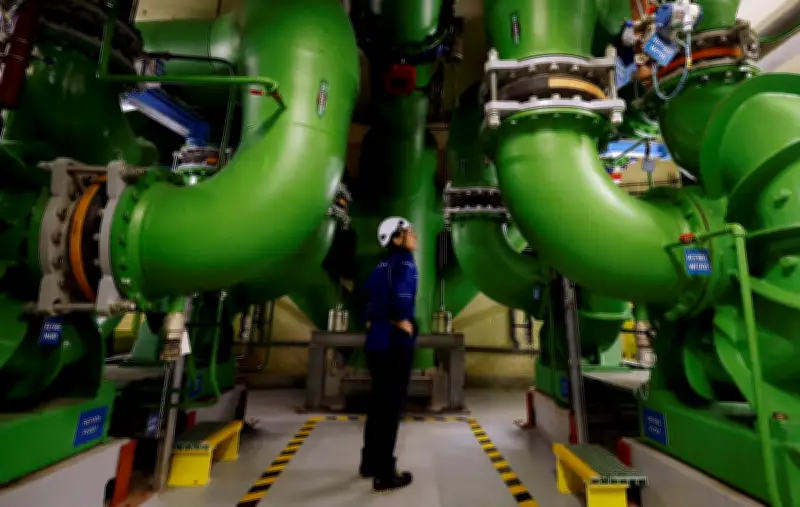
Paris Unveils Ambitious Underground Cooling Network
The City of Light is taking a novel approach to beat the heat: a vast underground cooling network that draws water from the Seine River to air-condition buildings across the capital. The system, which began operations this month, is expected to reduce energy consumption by 40% compared to traditional air conditioning, according to city officials.
How the Seine Cooling Network Works
The network uses a series of underground pipes to circulate chilled water from the Seine to more than 100 buildings, including museums, hospitals, and offices. The water is cooled naturally by the river's temperature, which stays around 12°C year-round. Pumps push the water through a closed-loop system, absorbing heat from buildings and returning it to the river.
“This is a revolution in urban cooling,” said Jean-Pierre Lecoq, Paris's deputy mayor for urban planning. “We are using a natural resource that has been under our noses for centuries.” The system is expected to reduce the city's carbon footprint by 50,000 tonnes of CO2 annually.

Impact on Energy and Emissions
The network is part of Paris's broader plan to become carbon-neutral by 2050. By replacing thousands of individual air-conditioning units, the system will cut electricity demand during peak summer months. Officials estimate that the network will save enough energy to power 20,000 homes each year.
“Traditional air conditioning is a major contributor to urban heat islands and greenhouse gas emissions,” said Dr. Sophie Marceau, an energy expert at the University of Paris. “This system shows that we can cool our cities without heating the planet.”
Expansion Plans and Challenges
The initial phase covers a 10-kilometer network in central Paris, but plans are underway to expand it to 40 kilometers by 2030, reaching the suburbs. The project has cost €200 million so far, funded by the city and private investors. However, challenges remain, including the need to upgrade aging pipes and secure rights to use river water.
“We are learning as we go,” Lecoq added. “But the early results are promising, and we hope other cities will follow our lead.”
Global Relevance
As heatwaves become more frequent and intense due to climate change, urban cooling is a growing priority. Similar networks exist in Stockholm and Toronto, but Paris's system is one of the largest in Europe. If successful, it could serve as a model for cities worldwide.