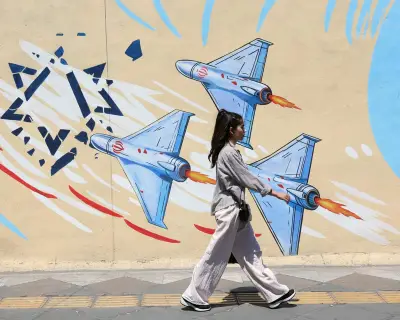
The World Bank has issued a stark warning that global economic growth will decelerate to 2.5% this year, marking the weakest performance since the onset of the Covid-19 pandemic. This downturn is attributed to the ongoing war in the Middle East, which has driven up inflation and borrowing costs.
Growth Forecasts Downgraded
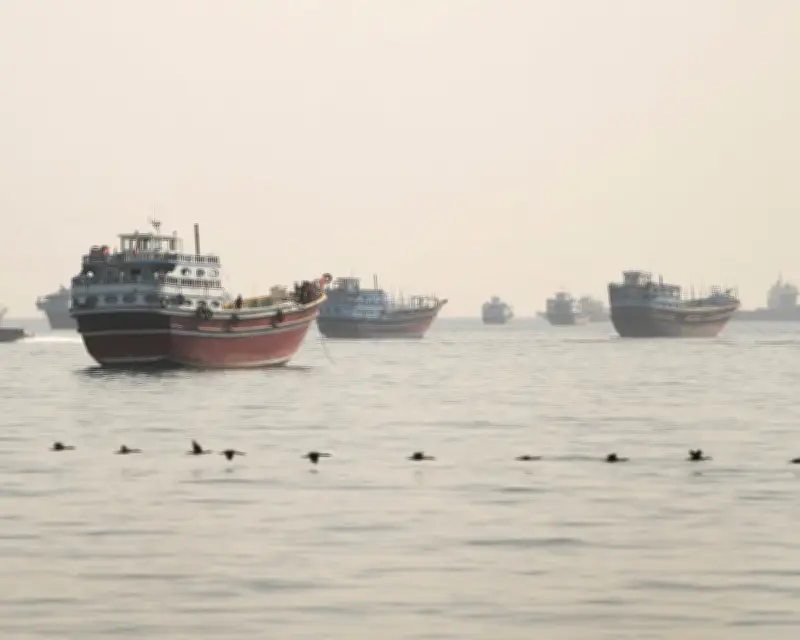
In its half-yearly Global Economic Prospects report, the Washington-based development bank has downgraded growth forecasts for two-thirds of nations worldwide. The bank estimated that global growth stood at 2.7% in 2025. Even if disruptions to oil flows through the Strait of Hormuz, triggered by the Iran conflict, subside next month, the World Bank anticipates global inflation will rise to 4% in 2026, a significant increase from 3.3% in 2025.
Impact on Fertiliser Prices and Developing Nations
Average fertiliser prices are expected to surge by as much as 38% this year due to supply disruptions through the Strait of Hormuz and shortages of raw materials for fertiliser production from the Gulf region. The World Bank argues that developing countries, excluding India and China, will have endured a decade without narrowing the economic gap with advanced economies. It warns that, barring a miracle, the 2020s could become a "lost decade" for these nations.

The bank has pledged up to $100 billion over the next 15 months to assist the countries most affected by the war's ripple effects, helping them navigate the crisis.
Risk of Further Deterioration
With the ceasefire between the US and Iran appearing increasingly fragile, the World Bank cautions of a potential further decline in the economic outlook. It states that a renewed escalation of hostilities or prolonged disruptions to commodity flows could further elevate commodity prices, intensify inflationary pressures and food insecurity, trigger financial stress, and lower growth. In such a downside scenario, global growth could plummet to just 1.3%.
Ajay Banga, the World Bank's president, remarked: "Developing countries have faced a series of challenges over the last decade. The impact differs by country, but the basic test is the same: protect people and preserve stability today, without giving up on growth and jobs tomorrow." He added that the bank is providing liquidity where needed and is prepared with additional financing, guarantees, and private-sector solutions if pressures intensify.
Gulf Economies and Hope for the Future
Growth in Gulf economies is expected to drop sharply from 4.5% last year to just 1.3% in 2026, before rebounding strongly next year as oil flows resume and reconstruction begins.
In the report's foreword, World Bank chief economist Indermit Gill highlights three reasons for optimism that developing economies could accelerate growth in the coming decade: increased regional trade, the clean energy revolution, and artificial intelligence. However, he warns that the benefits of AI are heavily skewed toward wealthy nations, with less than a quarter of data centers located in developing economies. Moreover, the languages of roughly half the world's population are poorly represented in the data used to train AI models. Gill cautions that unless these gaps are closed, the AI revolution could widen rather than narrow the divide between rich and poor countries.
Rising Government Debt in Developing Countries
The report also raises concerns about the "rising challenge" of government indebtedness in developing nations, which hampers politicians' ability to cushion the public from economic shocks. Since 2010, aggregate government debt in developing countries has increased from 40% of GDP to 70% of GDP, and higher pre-existing debt levels tend to lead to higher interest rates.
Campaigners have urged developed country governments to do more to help the world's poorest nations manage their increasingly unsustainable debt burdens. Recent research by the advocacy group Development Finance International found that the G77 group of developing countries spends $8 trillion annually on debt servicing, accounting for 35% of government spending.