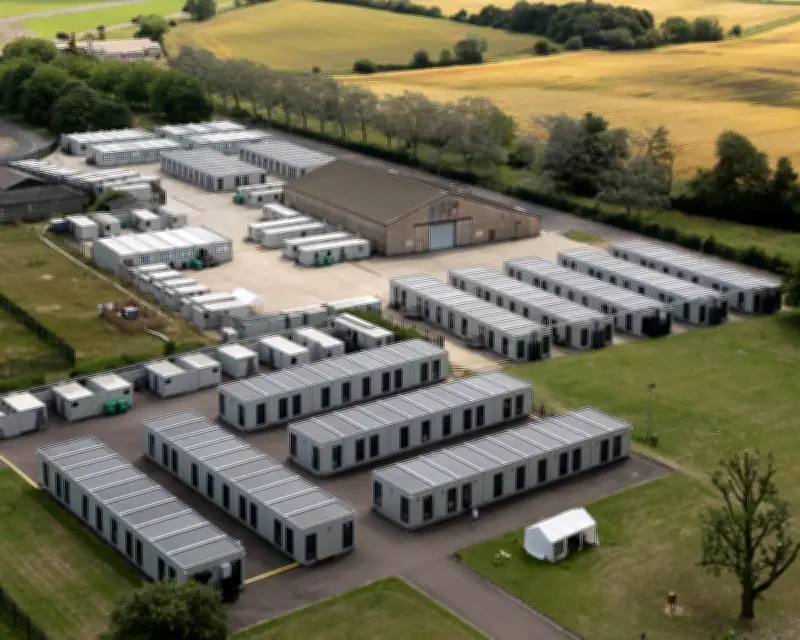
Charities have condemned the UK government's 'arrogant' plans to house asylum seekers at former military sites, accusing ministers of prioritizing deterrence over dignity. The Home Office has confirmed it is exploring the use of up to 10 disused military bases, including RAF Scampton in Lincolnshire and Wethersfield in Essex, to accommodate thousands of asylum seekers awaiting processing.
Government Defends Controversial Plan
The government argues that using former military sites is a cost-effective and efficient way to manage the asylum backlog, which has surged to over 160,000 cases. A Home Office spokesperson stated: 'We are using all available options to reduce the use of expensive hotels, which cost taxpayers millions per day.' However, critics say the sites are remote, poorly equipped, and unsuitable for vulnerable people, including families and children.
Charities Speak Out
Enver Solomon, chief executive of the Refugee Council, said: 'These plans are arrogant and show a complete disregard for the welfare of people fleeing persecution. Housing asylum seekers in isolated former military barracks, far from legal advice and community support, is inhumane and counterproductive.' Similarly, the British Red Cross warned that such facilities could exacerbate mental health issues and create a 'hostile environment.'

Local Opposition and Legal Challenges
Local councils and residents have voiced strong opposition, citing concerns over infrastructure strain and social cohesion. West Lindsey District Council, which covers RAF Scampton, has launched a legal challenge against the plans, arguing they were imposed without proper consultation. The council's leader, Trevor Young, said: 'This is a top-down decision that ignores the needs of both asylum seekers and our community.'
Impact on Asylum Seekers
If implemented, the sites could house up to 5,000 asylum seekers, with stays lasting months or even years. Advocacy groups highlight that many asylum seekers have experienced trauma and require specialized support, which isolated military sites cannot provide. The plans also risk increasing destitution, as asylum seekers are not allowed to work while their claims are processed.
Broader Policy Context
The move is part of a wider government strategy to deter Channel crossings, which saw over 45,000 arrivals in 2025. Critics argue that the focus should be on creating a fair and efficient asylum system, not on punitive measures. The UN Refugee Agency has also expressed concern, urging the UK to uphold its international obligations.