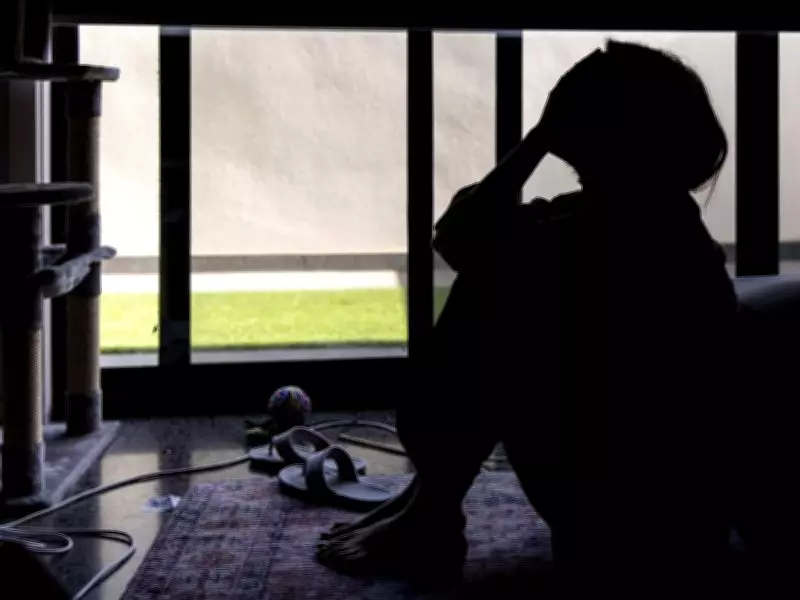
Editorial Demands Full Story on Domestic Violence
In a powerful editorial, the call has been made for media and authorities to tell the complete story on domestic violence, moving beyond surface-level statistics to include nuanced data and survivor narratives. This approach aims to foster a deeper public understanding and spur meaningful action.
Need for Comprehensive Reporting
The editorial emphasizes that current reporting often falls short by focusing solely on headline figures, such as incident counts or fatalities. While these numbers are crucial, they can obscure the complex realities of domestic violence, including its psychological impacts, economic consequences, and systemic barriers faced by survivors. By providing a fuller picture, media can help dismantle myths and stereotypes that perpetuate the issue.
Accurate and detailed data is highlighted as essential for informing effective policy responses. Without comprehensive insights, interventions may miss key vulnerabilities or fail to address root causes, such as gender inequality or lack of support services.

Amplifying Survivor Voices
A central theme is the importance of sharing survivor stories in a respectful and empowering manner. The editorial argues that personal accounts humanize the statistics, making the crisis more relatable and urgent for the public. However, it cautions against sensationalism, advocating for ethical reporting that prioritizes survivor safety and consent.
By giving voice to those affected, media can challenge stigma and encourage others to seek help, potentially reducing isolation and increasing access to resources.
Driving Community and Policy Action
The editorial links comprehensive storytelling to tangible outcomes, such as improved funding for domestic violence services, stronger legal protections, and enhanced community awareness campaigns. It calls on journalists, policymakers, and advocates to collaborate in creating a more transparent and accountable narrative.
Ultimately, telling the full story is framed not just as a journalistic duty, but as a moral imperative to combat domestic violence effectively and support survivors in their recovery journeys.