Editorial: The Far-Reaching Impact of Chaotic and Fast-Moving Conflict
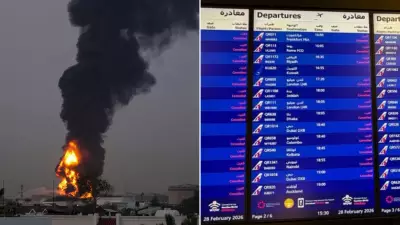
The world is witnessing a disturbing trend as chaotic and fast-moving conflicts continue to spread their impact far beyond their immediate regions. These volatile situations are not isolated incidents but are increasingly interconnected, creating a ripple effect that touches every corner of the globe. From economic markets to political stability, the consequences are profound and multifaceted, demanding urgent attention from international leaders and policymakers.
Economic Disruption on a Global Scale
One of the most immediate and visible impacts of these conflicts is the disruption to global economies. Supply chains are being severely tested, with key industries facing shortages and delays that drive up costs for consumers worldwide. Energy markets, in particular, are experiencing significant volatility, as conflicts in resource-rich regions lead to fluctuating prices and uncertainty. This economic instability is further compounded by trade disruptions, which affect everything from agricultural exports to manufactured goods, putting pressure on both developed and developing nations.
Political Instability and Diplomatic Strains
Beyond the economic sphere, these conflicts are fueling political instability and straining diplomatic relations between countries. Alliances are being tested as nations navigate complex geopolitical landscapes, often leading to increased tensions and a breakdown in international cooperation. The fast-moving nature of these conflicts makes it challenging for governments to formulate coherent responses, resulting in fragmented policies that can exacerbate the situation. This political turmoil not only undermines global governance but also threatens long-term peace and security efforts.

Humanitarian Crisis and Social Consequences
The human cost of these conflicts is staggering, with millions of people displaced and facing dire humanitarian conditions. Refugee flows are increasing, placing immense strain on neighboring countries and international aid organizations. Social structures are being eroded, as communities are torn apart by violence and instability, leading to long-term psychological and societal impacts. The spread of conflict often brings with it issues such as food insecurity, lack of access to healthcare, and violations of human rights, creating a cycle of suffering that is difficult to break.
The Need for Coordinated International Action
Addressing the spread of chaotic and fast-moving conflicts requires a coordinated and proactive approach from the international community. This includes strengthening multilateral institutions, enhancing diplomatic efforts, and investing in conflict prevention strategies. By fostering greater cooperation and understanding, it may be possible to mitigate the worst effects and work towards sustainable solutions. The editorial emphasizes that inaction is not an option, as the consequences of these conflicts will only continue to grow if left unchecked.
In conclusion, the impact of chaotic and fast-moving conflicts is spreading rapidly, affecting economies, politics, and humanitarian conditions on a global scale. It is imperative for world leaders to recognize the interconnected nature of these issues and take decisive action to address the root causes and alleviate the suffering of those affected.