ICC Faces Jurisdiction Hurdles as Middle East Conflict Claims Over 1000 Civilian Lives
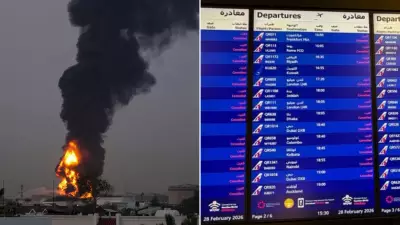
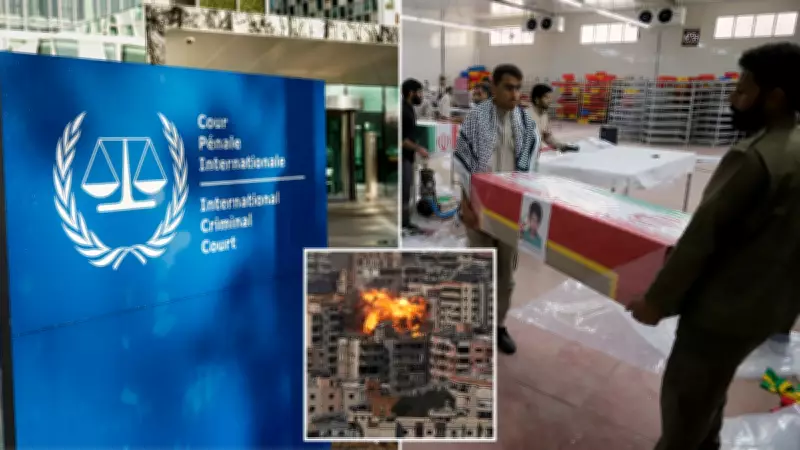
Volleys of airstrikes exchanged between Iranian and US-Israeli military forces have resulted in the tragic deaths of more than 1000 civilians across various Middle Eastern nations. Among the most devastating incidents are a US airstrike on an Iranian girls' school, which killed over 160 children, and an Iranian attack on a bomb shelter in Beit Shemesh, Israel, claiming nine lives. Social media platforms and United Nations officials have raised serious allegations, suggesting that some of these attacks may constitute war crimes or crimes against humanity.
Legal Limitations of the International Criminal Court
Typically, individuals responsible for such grave offenses—including genocide and acts of aggression—are prosecuted by the International Criminal Court (ICC). However, a significant legal barrier exists: the ICC does not have jurisdiction over the United States, Israel, or Iran. This limitation stems from the court's authority being restricted to the 125 countries that have both signed and ratified the Rome Statute, the 1998 treaty that established the ICC. Although the US, Israel, and Iran all signed the treaty on December 31, 2000, none have ratified it, effectively exempting them from the court's prosecutorial powers.
Furthermore, retaliatory strikes on countries such as Azerbaijan, Bahrain, Iraq, Jordan, Kuwait, Oman, Qatar, Saudi Arabia, Lebanon, the United Arab Emirates, Turkey, and Syria would also fall outside the ICC's jurisdiction, as none of these nations have acknowledged or ratified the Rome Statute. Marnie Lloyd, a senior law lecturer at Victoria University of Wellington, explained to 7NEWS.com.au, "If none of the states involved are parties and the problematic conduct is happening in a country that's not a state member, then the court simply wouldn't have jurisdiction."

Challenges in Prosecution and Investigation
Cyprus stands as the only country involved in the conflict that permits ICC prosecution, following several drone strikes on a UK army base during the war's initial day, though no casualties were reported. Despite this, the ICC encounters substantial difficulties in holding individuals accountable, even from signatory countries, partly by design. Lloyd noted that the court was intended as a failsafe mechanism, stepping in only when individual nations fail to prosecute the most serious crimes themselves. "The system is intended to function in a decentralised way," she said, emphasizing that states should first investigate and prosecute their own soldiers, with the ICC intervening in politically sensitive or wartime scenarios where this is unrealistic.
When prosecution is possible, numerous obstacles often delay investigations and potential trials by years or decades. The ICC cannot prosecute in absentia, requiring defendants to be physically present in The Hague, Netherlands, for trials to proceed. Without a dedicated police force, the court relies on other countries to arrest and transport accused war criminals, a process that can be lengthy and challenging. This reliance has become increasingly strained, particularly with the US, which sanctioned two ICC judges in December for what it termed "illegitimate targeting of Israel." US Secretary of State Marco Rubio stated, "These individuals have directly engaged in efforts by the ICC to investigate, arrest, detain, or prosecute Israeli nationals, without Israel's consent."
Practical Difficulties in War Crime Investigations
Investigating allegations of war crimes presents another major hurdle for the ICC, as warzones are often too chaotic for effective evidence collection. Investigators may need to wait years before returning to sites where crucial evidence has likely disappeared. Lloyd highlighted, "It's very difficult to investigate these complex international crimes, particularly while situations are ongoing. To investigate and have sufficient evidence that you need to collect from a country suffering war, with all of those other challenges, is really difficult."

While acknowledging valid critiques of the ICC, Lloyd urged against underestimating its role, stating, "My personal view is that it's not fair to call it weak. I find that the Rome statute itself is robust enough and the establishment of the court in the late 1990s was really a major development in terms of international law and the fight against impunity. We have to remember that it's not only that the International Criminal Court doesn't have its own police force to go out and arrest people, but they have certain practical challenges including having sufficient resources and active co-operation by all states."
The ongoing conflict underscores the critical gaps in international justice mechanisms, leaving many civilian deaths unaddressed and highlighting the urgent need for global cooperation in upholding accountability for war crimes.