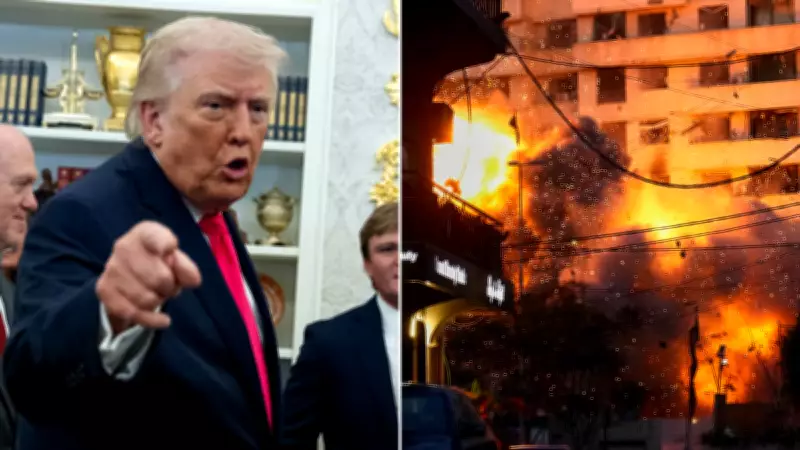
Month-Long Iran Conflict Defies Trump's Swift Victory Prediction, Global Impact Deepens
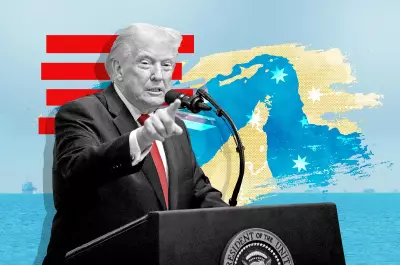
When the initial military strikes were launched against Iran on February 28, US President Donald Trump signaled expectations of a rapid conflict that would swiftly topple the Khamenei regime. Instead, the world is now grappling with a protracted war that has raged for over a month, with devastating regional and global consequences.
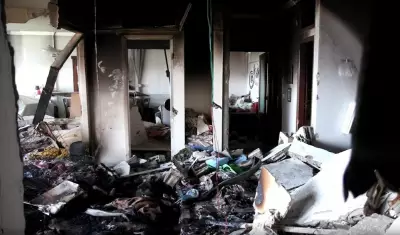
Joint military operations, designated Operation Epic Fury by the United States and Roaring Lion by Israel, commenced on that date. The ongoing exchange of attacks between the involved parties has inflicted severe damage across the Middle East, resulting in thousands of fatalities and injuries, alongside the displacement of countless more individuals—the majority of whom are civilians.
The Global Economic Shockwave
The conflict has delivered a profound blow to the global economy. The world's fuel supply has been reduced by approximately 20 percent due to disruptions, sparking fuel crises in numerous nations. This economic tremor is just one of the critical developments marking the war's first grueling month.

The Opening Salvo and Immediate Aftermath
The first day of hostilities unfolded while Israel and the US were engaged in negotiations aimed at crippling Iran's nuclear capabilities. Both military forces described their initial attacks as precisely targeted, the result of extensive planning. Israel reported striking over 500 military targets with 1,200 bombs in a single day, while the US conducted dozens of attacks.
These strikes proved deadly for top Iranian officials. An airstrike on a compound in Tehran killed then-Supreme Leader Ayatollah Ali Khamenei. Tragically, the first wave also hit the Shajareh Tayyebeh girls' elementary school in Minab, southern Iran, apparently struck by a US Tomahawk missile. This attack claimed 168 lives, including more than 100 children, with harrowing footage emerging of locals recovering bloodied schoolbags from the rubble.
Iran retaliated within hours, launching missiles and drones at Israel and US bases in neighboring Gulf states like Qatar and the UAE. Initially, US and Israeli leadership believed eliminating Khamenei would catalyze a public uprising against the government. However, the Iranian leadership structure proved resilient, with replacements quickly filling vacant positions. State media framed the deceased as "martyrs," galvanizing military retaliation against external foes rather than internal reform.
Regional Escalation: The Lebanon-Israel Front Reopens
Khamenei's death sent shockwaves through the Shia Muslim community, notably impacting Lebanon's Hezbollah militia. On March 2, Hezbollah launched attacks across the Lebanon-Israel border, reigniting that dormant conflict and breaching a November 2024 ceasefire. Israel has been accused of violating this ceasefire repeatedly with rocket fire into southern Lebanon.
Israeli forces assert their subsequent strikes target Hezbollah members, yet attacks have damaged civilian infrastructure across Lebanon, including in Beirut. A British journalist narrowly escaped death when an Israeli missile struck near his live broadcast location in southern Lebanon. The Lebanese government, while condemning Hezbollah, has called for Israel to end the conflict, even as over one million Lebanese have been displaced from their homes.
On March 16, the Israeli Defence Force (IDF) initiated a ground invasion into Lebanese territory, threatening United Nations Peacekeepers stationed to prevent all-out war. This escalation continues a long history of hostility dating back to Israel's 1982 invasion and occupation of southern Lebanon.
Fuel Supply Crisis and Global Ripple Effects
Concurrently, Iran issued a warning to all ships in the Gulf of Persia, threatening attacks on vessels attempting to pass through the critical Strait of Hormuz. This narrow shipping lane is vital for global trade, facilitating about one-fifth of the world's fuel and one-third of its nitrogen fertiliser supply. After several tankers were attacked, numerous others halted transit, severely disrupting global supply chains.

The shock to fuel and fertiliser markets has been profound. In Australia, panic buying led to record-high petrol prices and widespread shortages. The Australian Government has responded by releasing up to 20 percent of national diesel and fuel reserves, temporarily lowering fuel standards until May's end, and appointing a coordinator to oversee supply chains and prevent price-gouging. The crisis threatens major disruptions to the distribution of essential goods like food and medicine, which rely on diesel-powered transport, and jeopardises agricultural production dependent on fertiliser and machinery fuel.
Leadership Transition in Iran
Ayatollah Ali Khamenei's death ended his 36-year reign. His eldest daughter, son-in-law, grandson, and daughter-in-law were also killed. On March 8, an 88-member panel called the Assembly of Experts elected Khamenei's 56-year-old son, Mojtaba Khamenei, as Iran's third Supreme Leader. Described as his father's "shadowy son," Mojtaba was groomed for leadership, undergoing both military service and religious education. Although he escaped death in the compound attack, he reportedly suffered critical injuries and was evacuated to Russia for treatment, remaining unseen since his appointment.
International Repercussions and Diplomatic Standoffs
The conflict created an international incident involving Iran's Women's Football Team, which was in Australia for the Asian Cup when war broke out. Initially, seven players and staff applied for emergency asylum in Australia, granted personally by Home Affairs Minister Tony Burke. However, several later chose to return to Iran, alleging Australian police pressured them to stay. Only two players, Fatemeh Pasandideh and Atefeh Ramezanisadeh, remain in Australia, training with Brisbane Roar.
As the conflict prolonged, President Trump called for support from NATO and allies like Australia to secure the Strait of Hormuz. All named countries refused. Australian Prime Minister Anthony Albanese stated support for US-Israeli efforts but declined involvement in any "offensive action." This rejection prompted a furious social media rant from Trump, who labeled NATO a "PAPER TIGER" and accused allies of cowardice. Australia had previously provided missiles, an E-7 Wedgetail surveillance aircraft, and 85 support troops to the UAE.
The Current Stalemate and Humanitarian Toll
One month into the war, genuine fears persist for the region's future. Escalation remains possible, with thousands of US Marines and paratroopers preparing for potential ground deployment, which would further endanger civilians. According to local authorities, the death toll has surpassed 1,900 in Iran, 1,100 in Lebanon, 19 in Israel, and 13 US service members, with dozens more casualties across the region. Injuries are widespread, and over one million people have been displaced in Lebanon alone following Israeli attacks on residential areas.
Many displaced Lebanese celebrated Eid in tent cities and refugee shelters, where images show children attempting to find moments of play amidst the chaos. The threat of further escalation in southern Lebanon persists, especially after Israeli officials called for annexation and invasion. Israeli tanks and IDF members have already crossed the border multiple times, encountering UN peacekeepers.
Iranian attacks on neighboring Gulf states have eroded trust, complicating future peace talks. However, there is some hope for resolution, as Trump's approval ratings have slumped due to the conflict, increasing pressure on him to negotiate an end. An initial US ceasefire proposal was rejected by Iran, which has vowed to end the war on its own terms.