Israeli Strikes Claim Lives of Three-Year-Old Girl and Parents in Southern Lebanon
In a tragic escalation of violence, a three-year-old girl and her parents were among the victims killed by Israeli strikes in southern Lebanon, as Israel advances plans to annex territory in the region. The conflict has drawn comparisons to the Gaza situation, with fears mounting over prolonged occupation and humanitarian crises.
Devastation in Bchamoun and Tyre
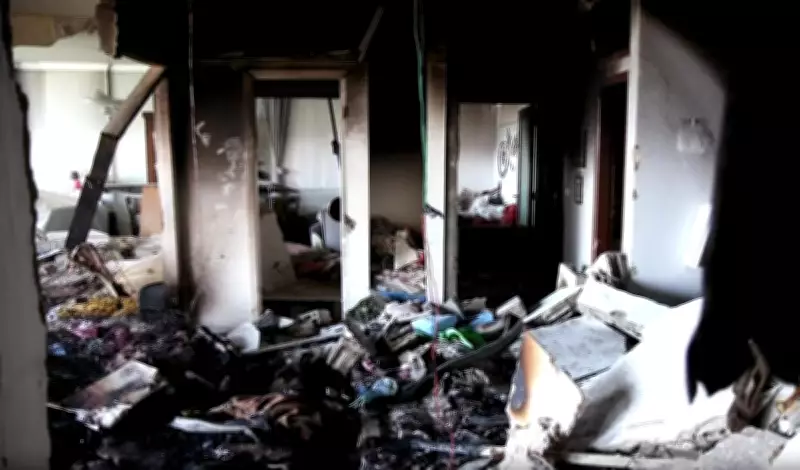
The strikes targeted Bchamoun, where an apartment was completely destroyed, resulting in the deaths of the young girl and her parents, and injuring five others. In Tyre, a historic city in Lebanon's south where Christians believe Jesus once walked, Israeli aerial assaults on alleged Hezbollah targets have left no area safe. The precision missile strike in Bchamoun spared the rest of the block, but Israel has provided no explanation for the attack.
This marks the first prolonged occupation of southern Lebanon since the 1980s, a period that lasted nearly 20 years and gave rise to the Hezbollah terror group. The current conflict has displaced over a million people and killed at least 1,039 individuals since Lebanon was pulled into the Middle East war in early March 2026.

Israel's Annexation Plans and Regional Fallout
Hours after the strikes, Israel's defence minister confirmed plans to annex 10 per cent of Lebanese territory up to the Litani River, establishing a new security zone. Every bridge across the river has been systematically destroyed, potentially preventing hundreds of thousands of residents from returning to their homes.
7NEWS chief correspondent Chris Reason reported that the feeling on the ground is that the conflict will continue regardless of negotiations between the United States and Iran. The situation is described as extremely dangerous and unpredictable, with the potential to ensnare countries across borders globally.
International Response and Diplomatic Moves
Amid the chaos, Australia's new ambassador to Lebanon, Tom Wilson, arrived in his first week, meeting with aid agencies at a refugee camp but declining to speak with media. Meanwhile, an Australian citizen, Ajaj Slaibi from Penrith, expressed pride in keeping the Australian flag flying high, despite being stuck in the conflict zone.
Gulf Arab states have condemned Iranian attacks on their infrastructure, telling the UN Human Rights Council that they face an existential threat from Iran. Kuwait's ambassador, Naser Abdullah HM Alhayen, stated that Iran's aggressive approach is undermining international law and sovereignty. The UN rights chief, Volker Turk, warned that deliberate attacks on civilians and civilian infrastructure may constitute war crimes.
Iran's Retaliation and UN Actions
Iran has retaliated against US-Israeli strikes with drone and missile attacks on energy and civilian infrastructure in Gulf countries, killing civilians and driving up oil prices. Iran's ambassador to the UN in Geneva, Ali Bahreini, defended the actions, citing over 1,500 civilian deaths in US-Israeli strikes and calling for restraint against Israel.
The UN Human Rights Council is set to vote on a motion condemning Iran's strikes, seeking reparation, and monitoring the situation. Iran has also called for an emergency session on a fatal strike on a primary school, scheduled for Friday.
The conflict continues to escalate, with no immediate end in sight, as regional and international actors grapple with the humanitarian and security implications of the expanding Middle East war.