Iran's Strategic Advantage in Escalating Strait of Hormuz Crisis
Iran holds the upper hand in the intensifying Strait of Hormuz crisis because it has "nothing to lose", according to a prominent security expert. Risk management specialist Tony Loughran told Sunrise that Tehran's position in the ongoing stand-off makes it a particularly dangerous adversary in one of the world's most critical oil shipping corridors.
The Critical Global Oil Route
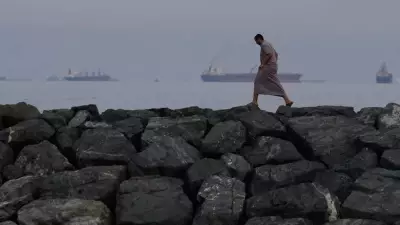
The Strait of Hormuz, which measures less than 40 kilometres wide at its narrowest point, serves as a vital global oil route. Its confined geography makes it easier for Iran to monitor, track, and potentially control maritime traffic. Loughran emphasized that Iran is holding a significant advantage in the conflict over this strategic waterway, which regulates all shipping in and out of the region and has become an increasingly high-risk choke point as tensions with US forces continue to escalate.
Iran's Military Positioning and Capabilities
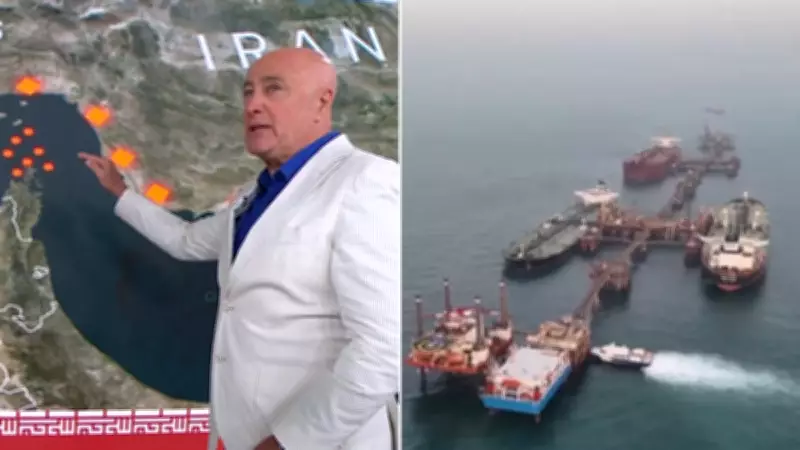
Loughran detailed that Tehran has strategically positioned anti-ship missiles and surveillance drones along its coastline near Bandar Abbas. This deployment provides Iran with enhanced ability to track and target vessels navigating through the strait. Most concerning, according to the expert, is Iran's use of sea mines, which can be deployed covertly and force commercial ships into more dangerous routes closer to Iranian territory.

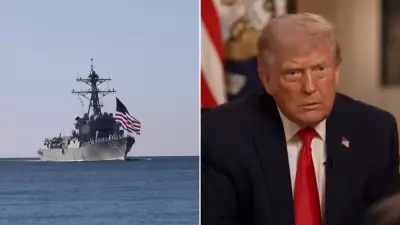
"Ships can lay these mines surreptitiously," Loughran explained, "creating hidden threats beneath heavily trafficked shipping lanes." He referenced historical precedent, noting, "Back in the 80s, during the tanker war in this region, a US destroyer actually struck one of these mines and was hit. History is effectively repeating itself."
Potential Catastrophic Consequences
The detonation of a sea mine beneath an oil tanker could have catastrophic consequences, potentially rupturing the hull and igniting the fuel cargo, which would trigger massive fires. Despite the United States imposing a naval blockade in the region, Loughran warned that this tactic carries substantial risks. In such a confined waterway, grouping ships together makes them easier for Iran to track, predict, and potentially funnel into designated danger zones, thereby increasing the likelihood of successful attacks.
US Limitations and Strategic Challenges
Although the United States possesses clear military superiority and has struck thousands of targets inside Iran, Loughran noted that American forces are unable to locate all of Tehran's missile systems. Many of these systems are buried deep underground and protected by stringent operational security measures. Combined with Iran's rugged coastline, the expert stated that a ground operation remains effectively off the table as a viable military option.
Iran's Unyielding Position
When questioned about whether Iran might back down under mounting pressure, Loughran responded unequivocally: "No." He elaborated that Tehran's position is shaped by years of economic hardship and entrenched political stances, emphasizing that Iranian leadership believes they have "nothing to lose" in the current confrontation.
Loughran highlighted that Iran's economy has been under severe strain for an extended period, and negotiations remain deadlocked over critical issues. These include Israel's operations against Hezbollah and Iran's steadfast refusal to abandon its nuclear ambitions. Without reliable human intelligence sources inside Iran, the expert warned that the United States faces a prolonged and frustrating stalemate, with limited appetite for deeper military involvement.
Global Economic Impact
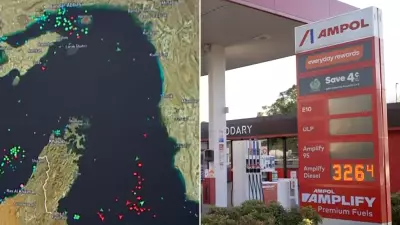
The stand-off is already generating repercussions beyond the immediate region, with petrol prices in the United States climbing to approximately $5 per litre. This economic pressure underscores the global significance of the Strait of Hormuz as a vital artery for international oil transportation and highlights the far-reaching consequences of continued instability in this strategic maritime corridor.