Middle East Conflict Enters Fourth Week with Escalation to Europe
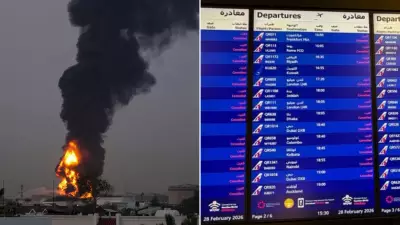
The war in the Middle East has now reached its fourth week, with the conflict spreading to Europe and escalating across the region. This follows joint air strikes by the United States and Israel against Iran, which resulted in the death of Ayatollah Ali Khamenei and several senior Iranian leaders. The military action, codenamed Operation Epic Fury, has triggered significant shockwaves through critical global sectors, including shipping, air travel, and oil markets.
Operation Epic Fury Sends Global Shockwaves
The air strikes have led to rising energy costs and widespread disruption to business operations in strategic waterways, which serve as vital hubs for international trade. The economic impact is being felt worldwide, with industries grappling with increased instability and logistical challenges. The escalation marks a dangerous expansion of the conflict, raising concerns about further regional and international fallout.
Iran Appoints New Security Chief Amid Power Consolidation
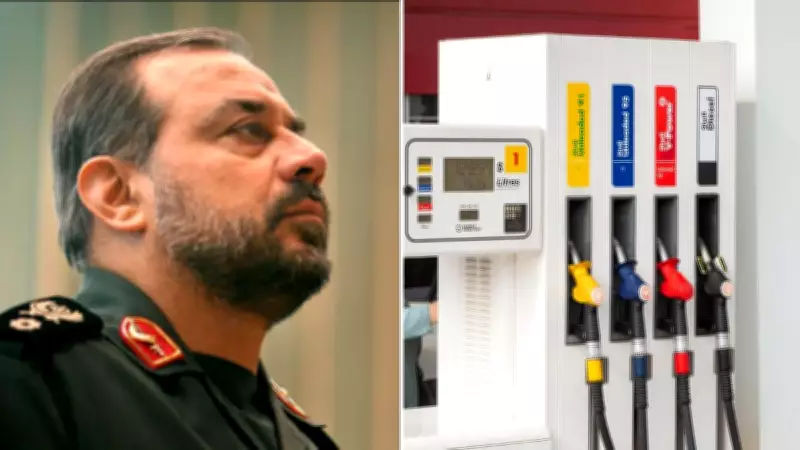
In response to the strikes, Iran has appointed Mohammad Bagher Zolghadr as its new security chief. Zolghadr is known as a loyalist to Supreme Leader Ayatollah Mojtaba Khamenei, and analysts interpret this move as a sign that Khamenei is tightening his grip on power. Professor Vali Nasr from Johns Hopkins University School of Advanced International Studies commented on the appointment, stating that Zolghadr's selection indicates a more aggressive Iranian posture rather than a diplomatic opening with Washington.

"Zolghadr is Mojtaba's man, and the selection shows that Mojtaba is in charge," Nasr said in a social media post. "His elevation does not suggest there will be talks with the US but rather a much more aggressive Iranian stance." This development suggests that Iran may adopt a harder line in the ongoing conflict, potentially leading to further tensions.
Australia's Fuel Cap Plan Revealed Amid Global Oil Crisis
As the global oil crisis deepens, Australia has unveiled a contingency plan involving a $40 fuel cap for motorists. This measure, detailed in a national fuel emergency response manual obtained through a freedom of information request, would only be implemented if the Governor-General declares a national liquid fuel emergency. The plan, recommended by the National Oil Supplies Emergency Committee, includes a daily transaction limit on petrol purchases, equating to approximately 16 litres at current prices.
Prime Minister Anthony Albanese's government has reportedly spent $150,000 to keep the plan confidential. Emergency services vehicles and taxis would be exempt from the restrictions, but the plan does not appear to address potential loopholes, such as motorists filling tanks at multiple service stations. This preparation highlights the broader economic repercussions of the Middle East conflict, affecting even distant regions like Australia.
The situation remains fluid, with ongoing developments in Iran and international responses likely to shape the course of the war and its global impacts in the coming days.