Middle East Conflict Enters Fourth Week with Escalating Regional and Global Impact
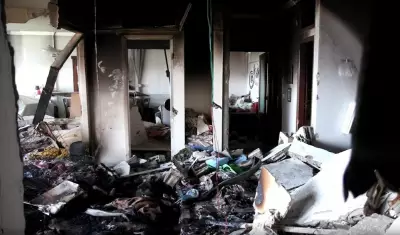
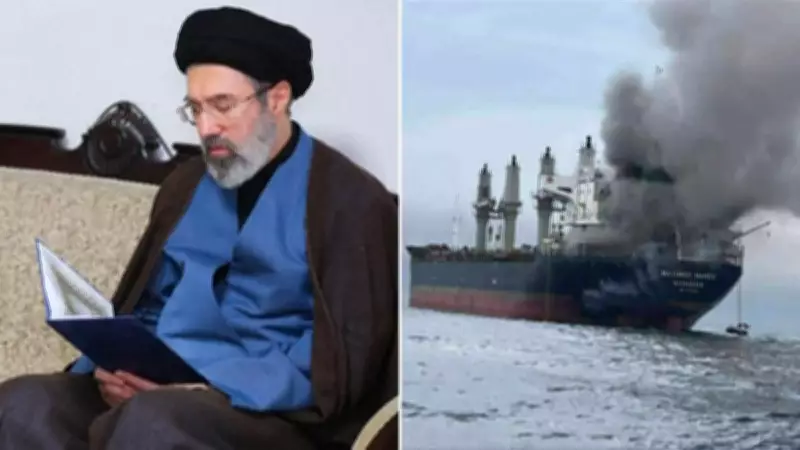
The war in the Middle East has now reached its fourth week, marking a significant escalation as hostilities spread to Europe and intensify across the region. This follows a series of coordinated air strikes by the United States and Israel against Iran, which resulted in the death of Ayatollah Ali Khamenei and several senior Iranian leaders. The military action, officially designated as Operation Epic Fury, has unleashed profound shockwaves that are reverberating through critical global sectors, including shipping, air travel, and oil markets.
Operation Epic Fury Disrupts Global Trade and Energy Markets
The strategic waterway, a vital hub for international commerce, is experiencing severe disruptions that are driving up energy costs and impeding business operations worldwide. The strikes have exacerbated existing tensions, leading to heightened instability in an already volatile region. As the conflict broadens, its effects are being felt far beyond the Middle East, with Europe now directly impacted by the spreading violence.
Iran Issues Dire Threats as US Deploys Additional Troops
In response to the escalating situation, Iran has issued stark warnings against the United States. Mohammad Bagher Ghalibaf, the speaker of Iran's parliament, accused Washington of engaging in deceptive diplomacy while secretly planning a ground assault. Speaking on the 30th day of the US-Israeli war with Iran, Ghalibaf declared, "The US sends messages of negotiation and dialogue but secretly is planning a ground attack." He further threatened that Iranian forces are prepared to "set them ablaze" if American soldiers enter the region on the ground.

Amid these threats, the United States has bolstered its military presence in the Middle East. The USS Tripoli, carrying approximately 3,500 US service members, has arrived in the area, according to US Central Command. The Pentagon is currently evaluating its next strategic moves, although the exact deployment locations of these troops remain undisclosed. This troop movement underscores the growing militarization of the conflict and the potential for further ground engagements.
Global Implications and Ongoing Developments
The expansion of the war into Europe signals a dangerous new phase in the conflict, with implications for international security and economic stability. The disruption to global trade routes and the surge in energy prices are likely to have lasting effects on markets worldwide. As the situation continues to evolve, stakeholders from governments to businesses are closely monitoring developments, anticipating further escalations and their broader consequences.
Reporting on these events is ongoing, with live updates providing real-time insights into the rapidly changing dynamics of the war. The international community remains on high alert as diplomatic efforts struggle to keep pace with the military actions unfolding across multiple fronts.